

Workers at the Zaporizhzhia Nuclear Power Plant (ZNPP) stayed at the plant under threat of occupation so that Europe's largest nuclear facility would not become the next disaster. They refused to cooperate with Rosatom — and ended up behind bars. At least 37 people are currently held illegally — among them 14 ZNPP workers, employees of DTEK and other companies, as well as members of their families. Sentences range from 11 to 25 years. Thirteen of them are held in complete isolation, with no right to contact their families or lawyers.
These are not random detentions. They are systemic policy. Energy workers are targeted because of their profession: they are licensed specialists on whom the plant's operation depends — and that is precisely why they are pressured, prosecuted, and held captive.
To keep this issue on the international agenda, we are working on several fronts at once.
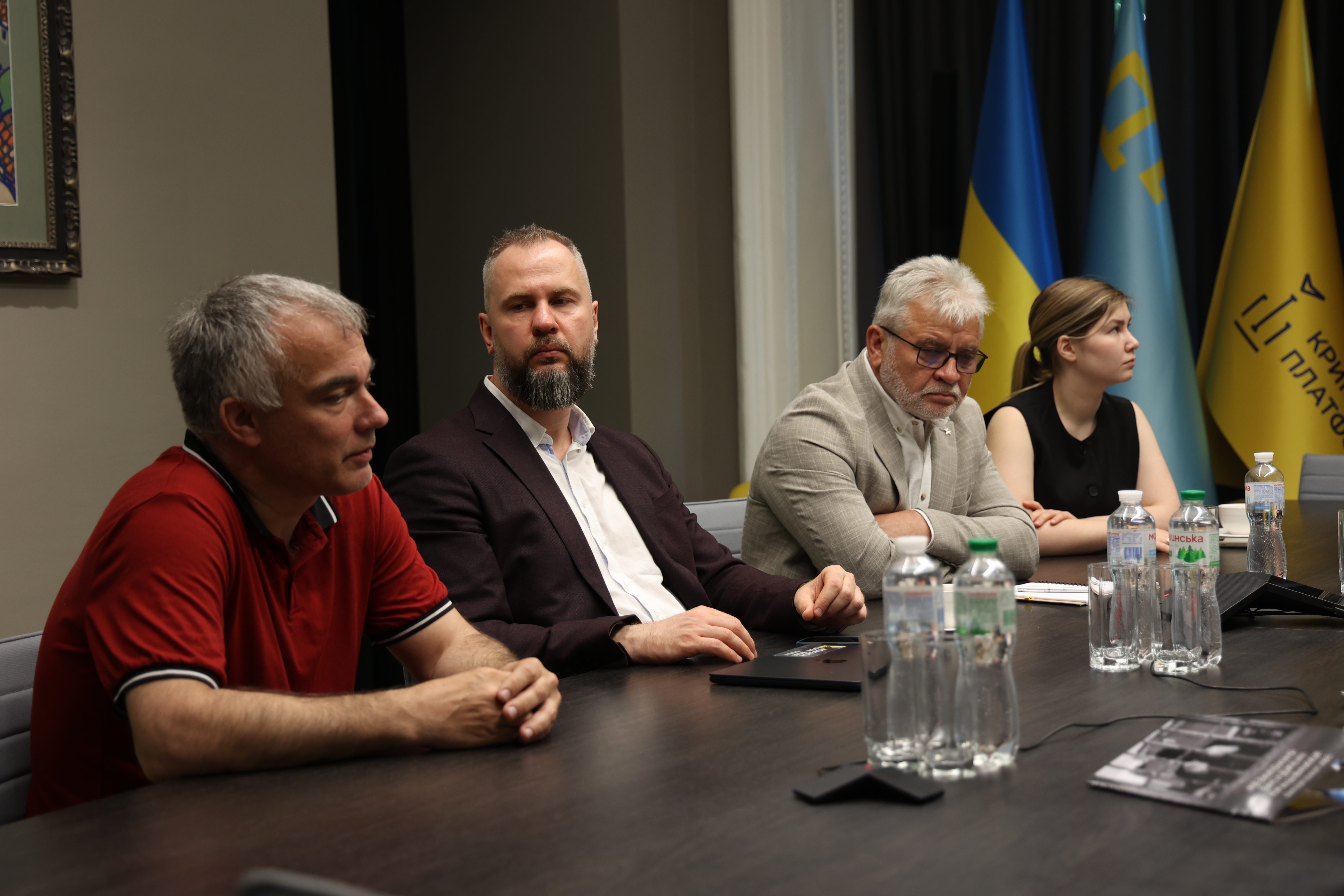
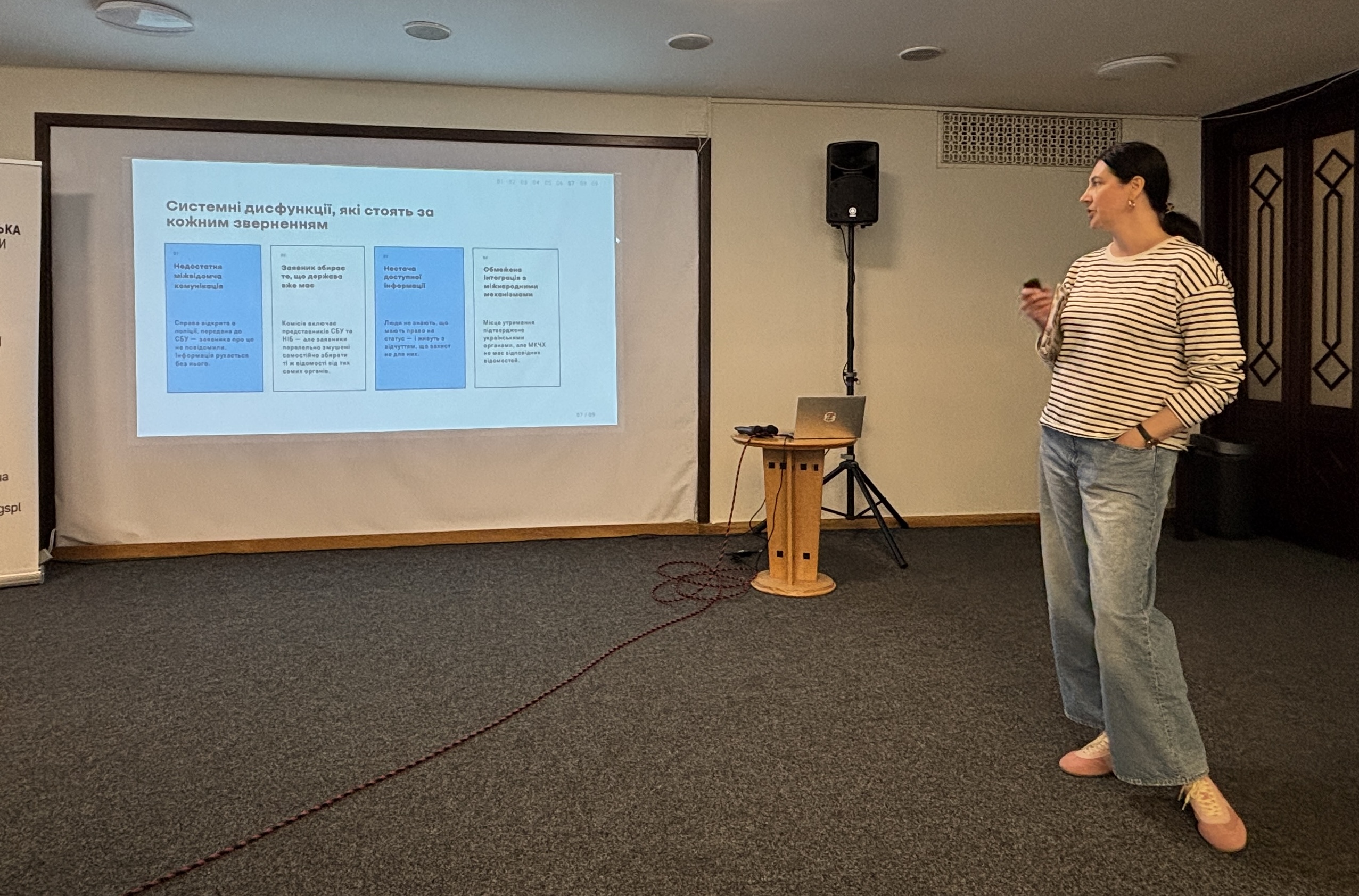
Last week, we held an expert meeting with Yevheniia Kravchuk, MP and member of Ukraine's delegation to the Parliamentary Assembly of the Council of Europe (PACE). Together with family members of imprisoned nuclear workers and representatives of Energoatom, we discussed concrete steps: including the release of ZNPP and DTEK Energo workers, employees of other companies, and Enerhodar residents in PACE documents, in the resolution of the OSCE Parliamentary Assembly's summer session, and in family testimony submitted to the Parliamentary Support Team for Ukraine.
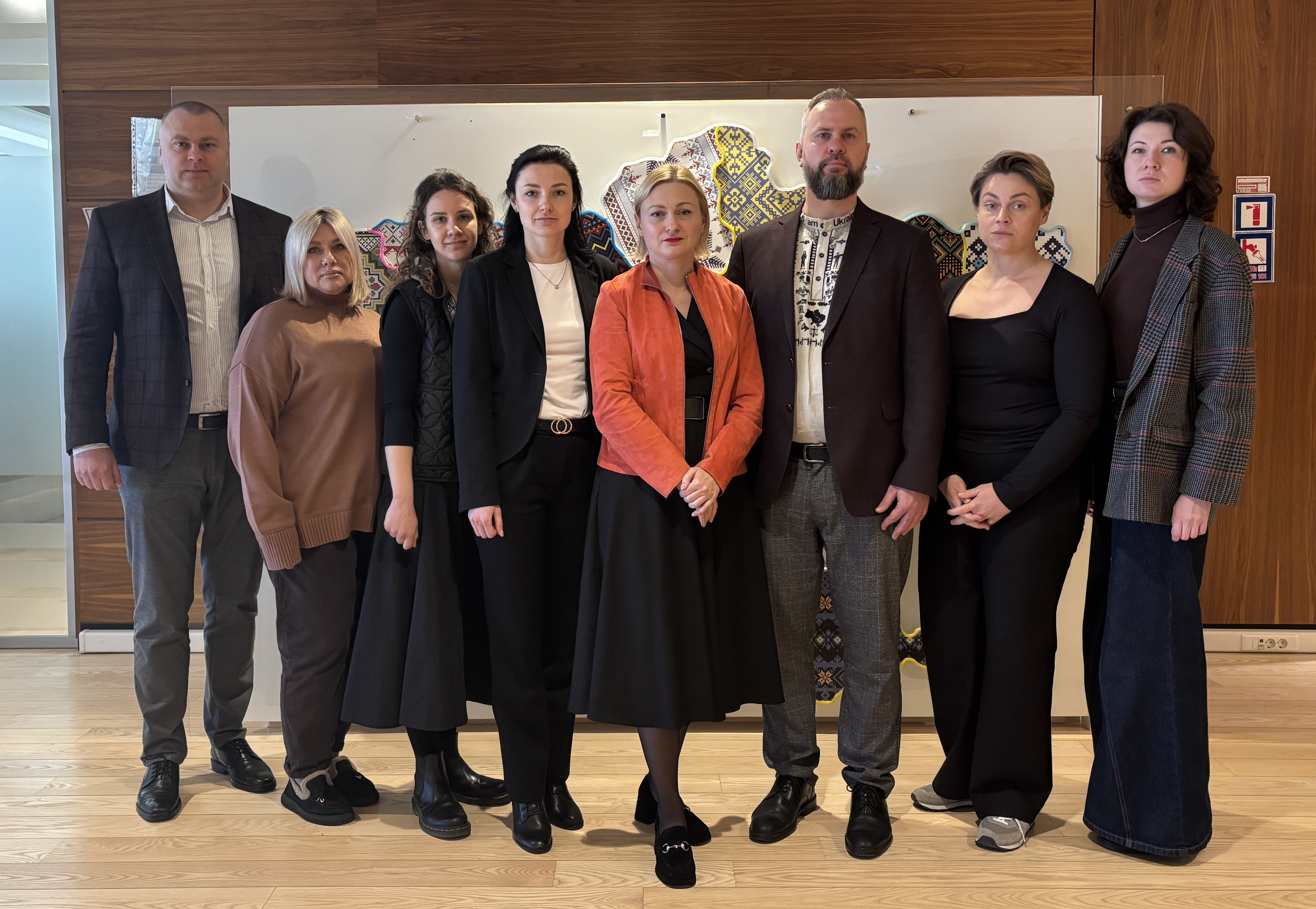
This continues an international advocacy campaign that began in February. Together with Truth Hounds and with the support of Ukraine's Permanent Mission, we held an event at the IAEA headquarters, where families of imprisoned nuclear workers spoke directly to diplomats from more than 30 countries. The visit ended with a meeting at the Austrian Parliament with PACE members — including the newly elected President of the Parliamentary Assembly of the Council of Europe, Petra Bayr. PACE representatives expressed their readiness to advance the case of Rosatom's hostages at the IAEA, in national parliaments, and within the Council of Europe.
Alongside our advocacy in international forums, we have collected more than 50,000 signatures on the petition to free Ukraine's nuclear workers — and this is already shifting the conversation in diplomatic circles. If you want to help put pressure on those who can change the situation, sign the petition and share it.