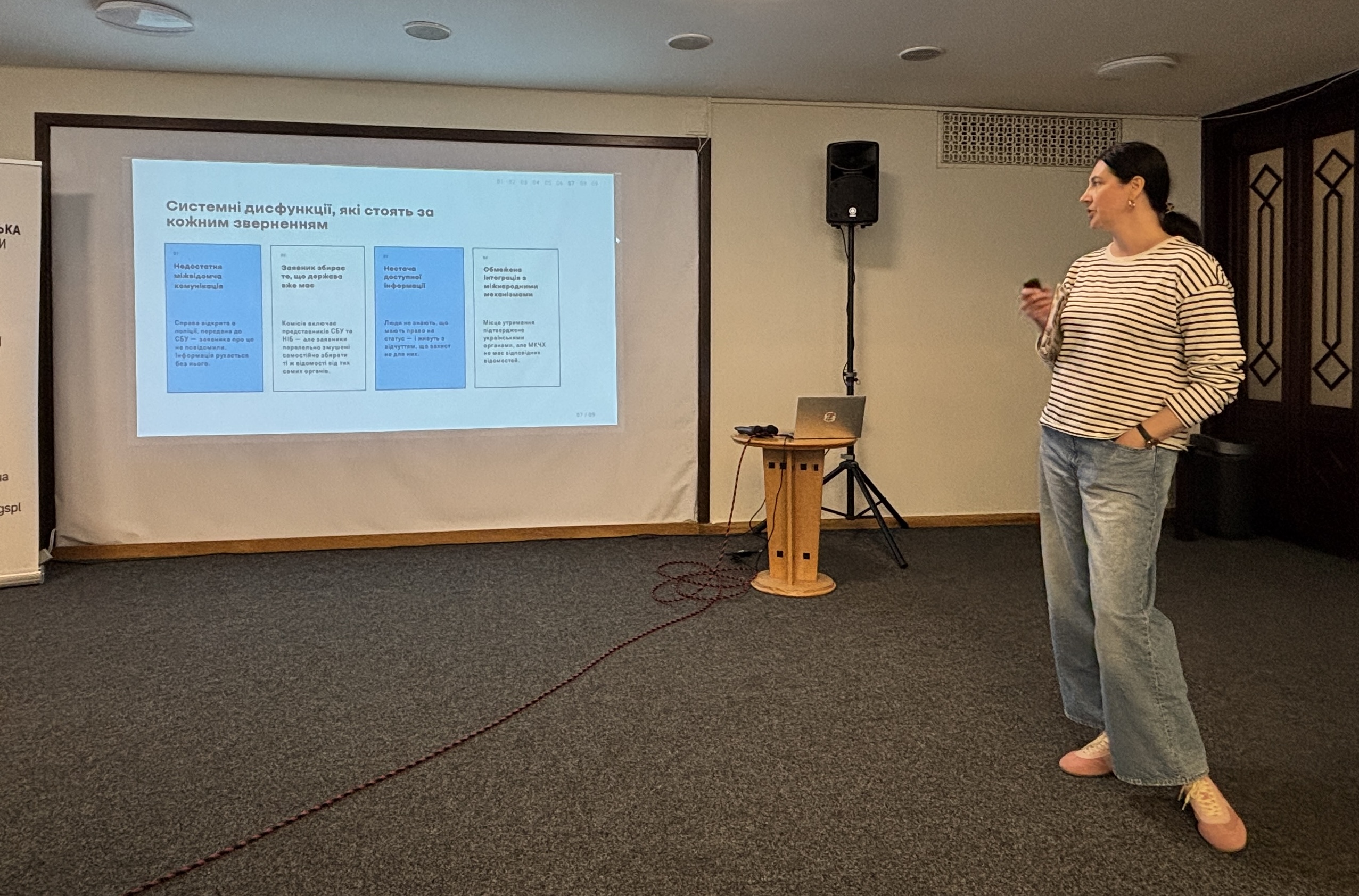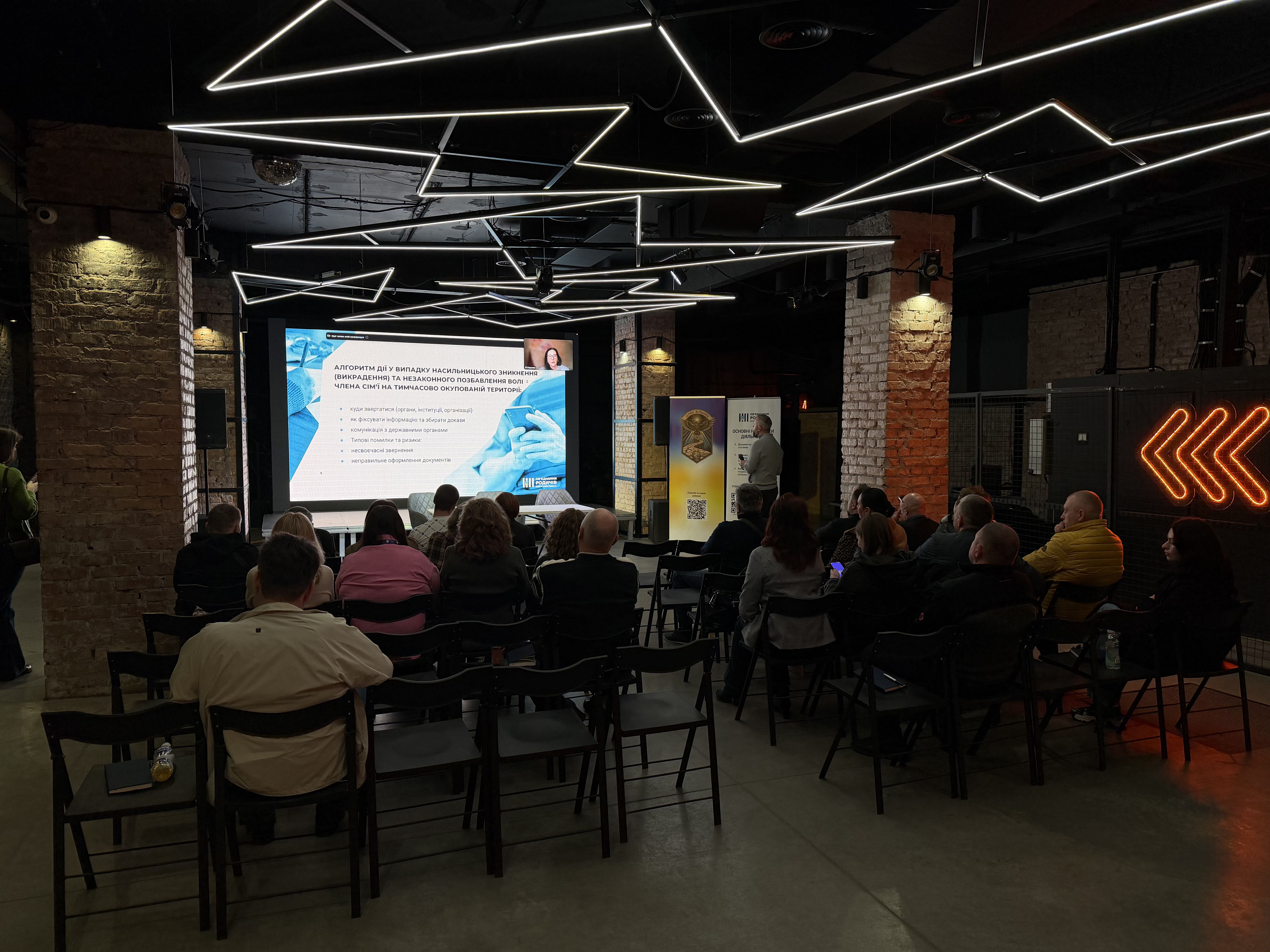


On 25 March 2026, at the request of people who have lived through unlawful imprisonment and their families, a training session was held in Zaporizhzhia titled Practical Aspects of Applying Legislation on Persons Deprived of Personal Liberty as a Result of Russia's Armed Aggression. The event brought together more than 60 participants — people for whom obtaining official recognition of unlawful imprisonment, applying to the special commission, and accessing state assistance is an urgent practical need. For Zaporizhzhia and the region, the issue is particularly raw: many residents have themselves lived through unlawful imprisonment, or are still waiting for relatives to be returned from captivity.
The in-person training was organised by the NGO Association of Relatives of Political Prisoners of the Kremlin together with the NGO Free Path. The aim was to give participants a practical understanding of what to do after unlawful imprisonment: who can submit an application, what documents need to be prepared, where to go, how the procedure for establishing the fact of deprivation of personal liberty unfolds, and how to avoid the common mistakes that can complicate access to state assistance. Steps to take after release and when a relative is held unlawfully were addressed separately.
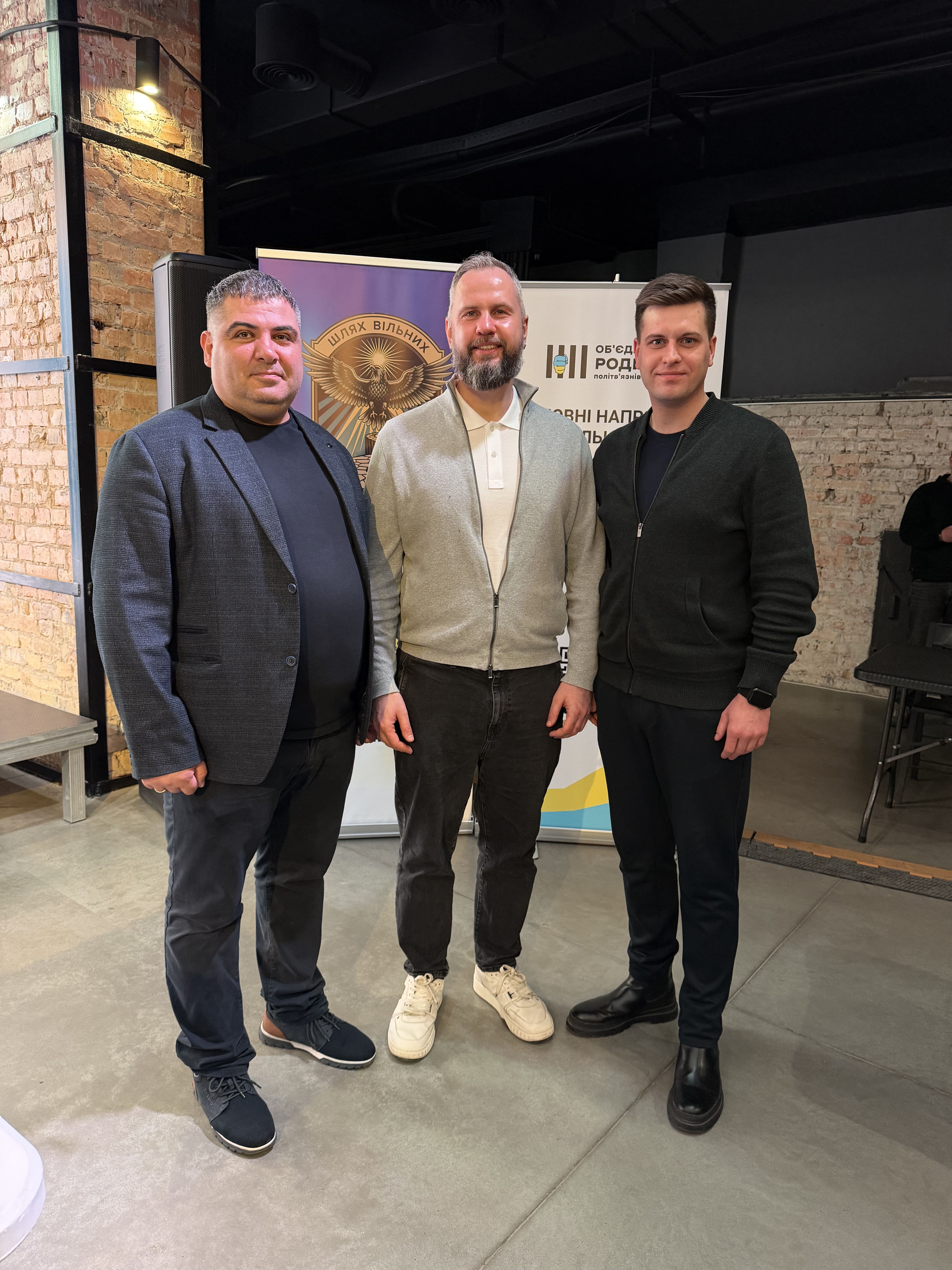
The speakers were Igor Kotelianets, head of the NGO Association of Relatives of Political Prisoners of the Kremlin, and Liudmyla Shumkova, lawyer at the Association. Both have years of experience working on unlawful imprisonment and supporting those affected. Igor Kotelianets advocated for the adoption of Ukrainian Law No. 2010-IX and, between 2018 and 2022, served as a member of the relevant Commission under the Ministry of Reintegration. Liudmyla Shumkova has provided more than 1,000 legal consultations to those affected and their families, and has personal experience of unlawful deprivation of personal liberty. This expertise allowed the training to focus on the concrete problems people face in practice.
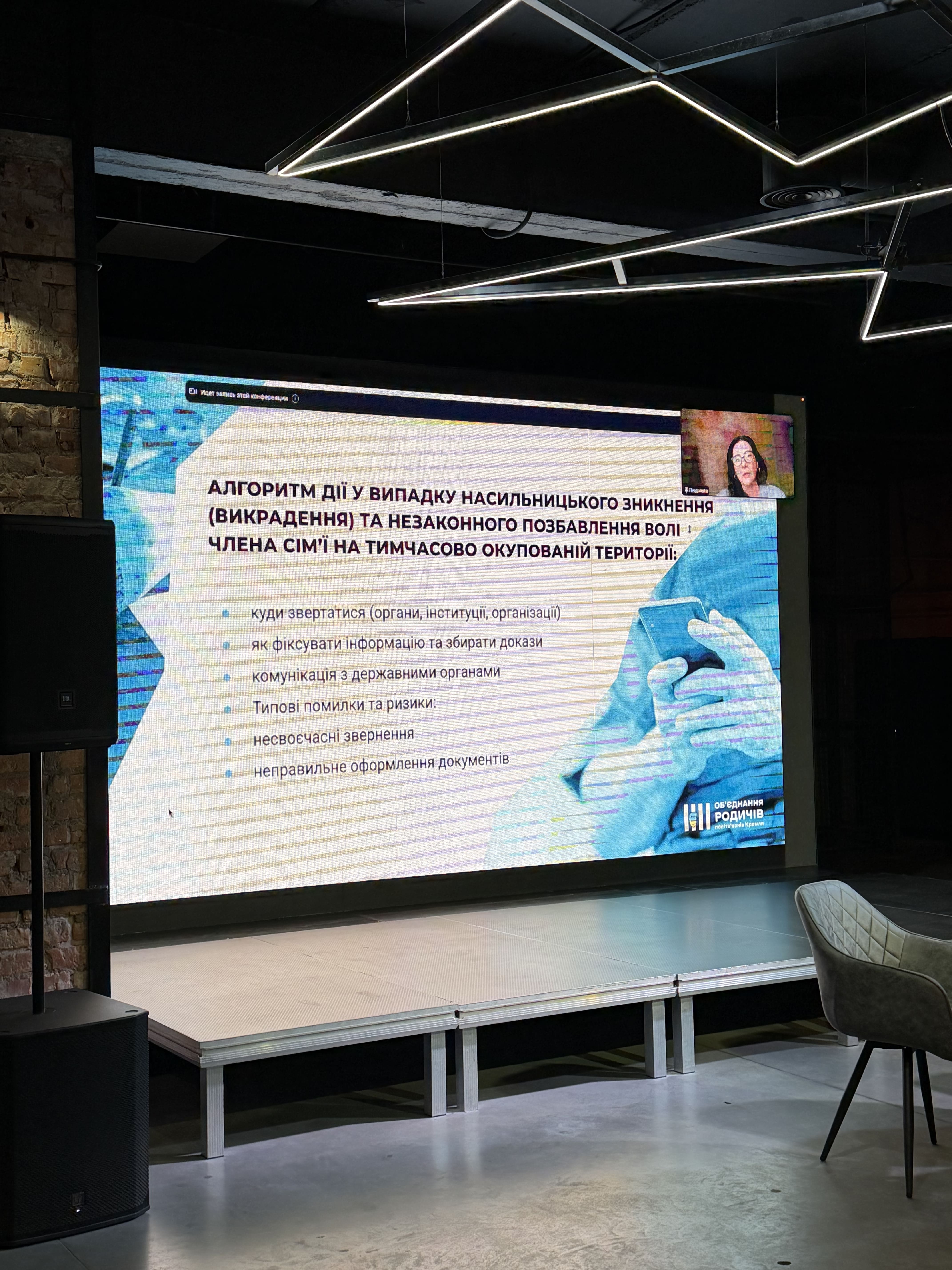
Among the participants were people who had themselves lived through unlawful imprisonment, relatives of those still held in captivity, people preparing to apply to the Commission for the first time or after a previous refusal, and representatives of civil society organisations working with those affected.
The organisers emphasise that, after unlawful imprisonment, people and their families are often left alone with practical questions: how to obtain official recognition of deprivation of personal liberty, what documents are needed, where to submit them, and how to access state assistance. In such situations, legal assistance becomes a way to overcome disorientation and navigate these procedures without avoidable mistakes. The NGO Association of Relatives of Political Prisoners of the Kremlin provides legal support to people who have lived through unlawful imprisonment and to their families. To request legal assistance, fill in the form on the organisation's website.