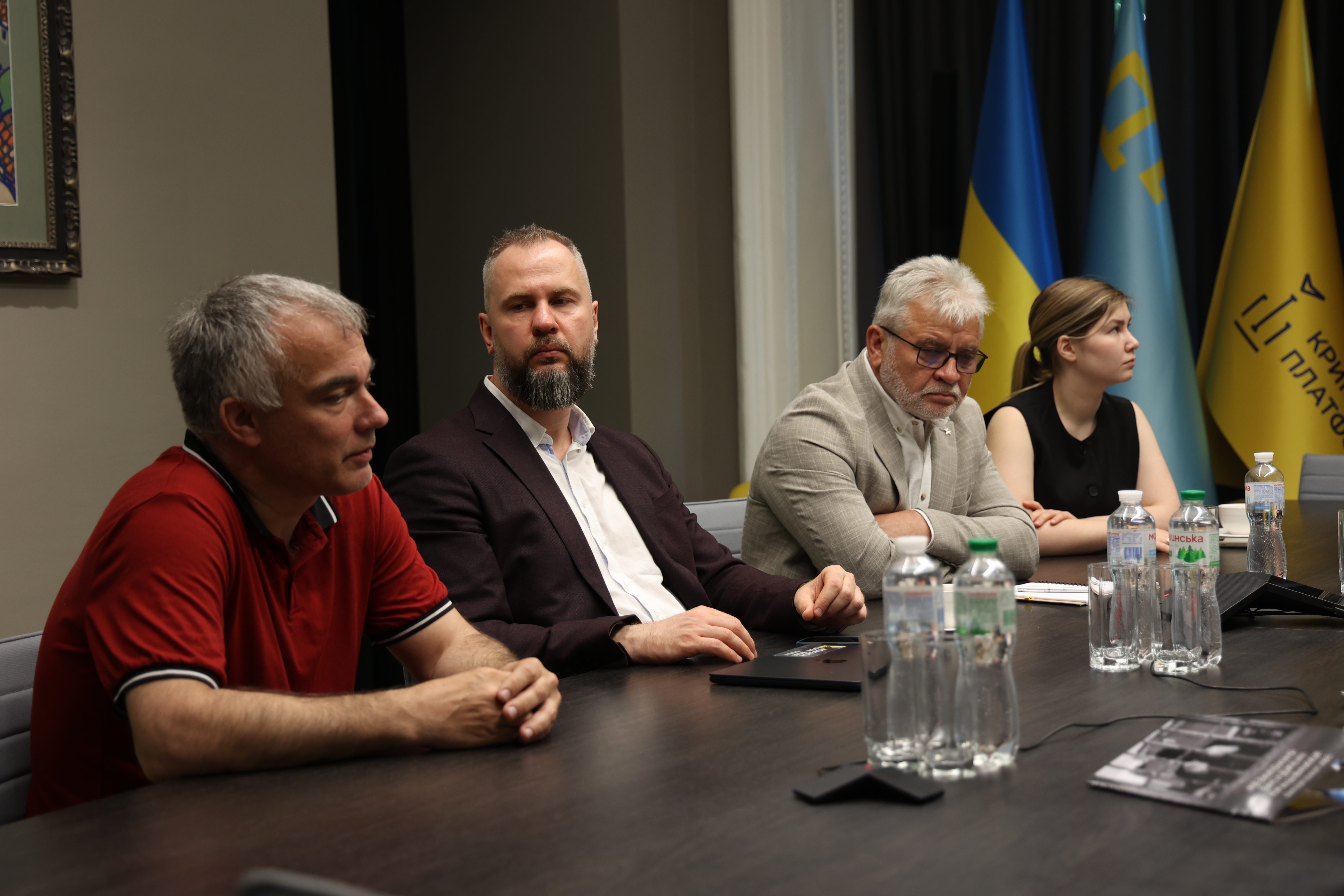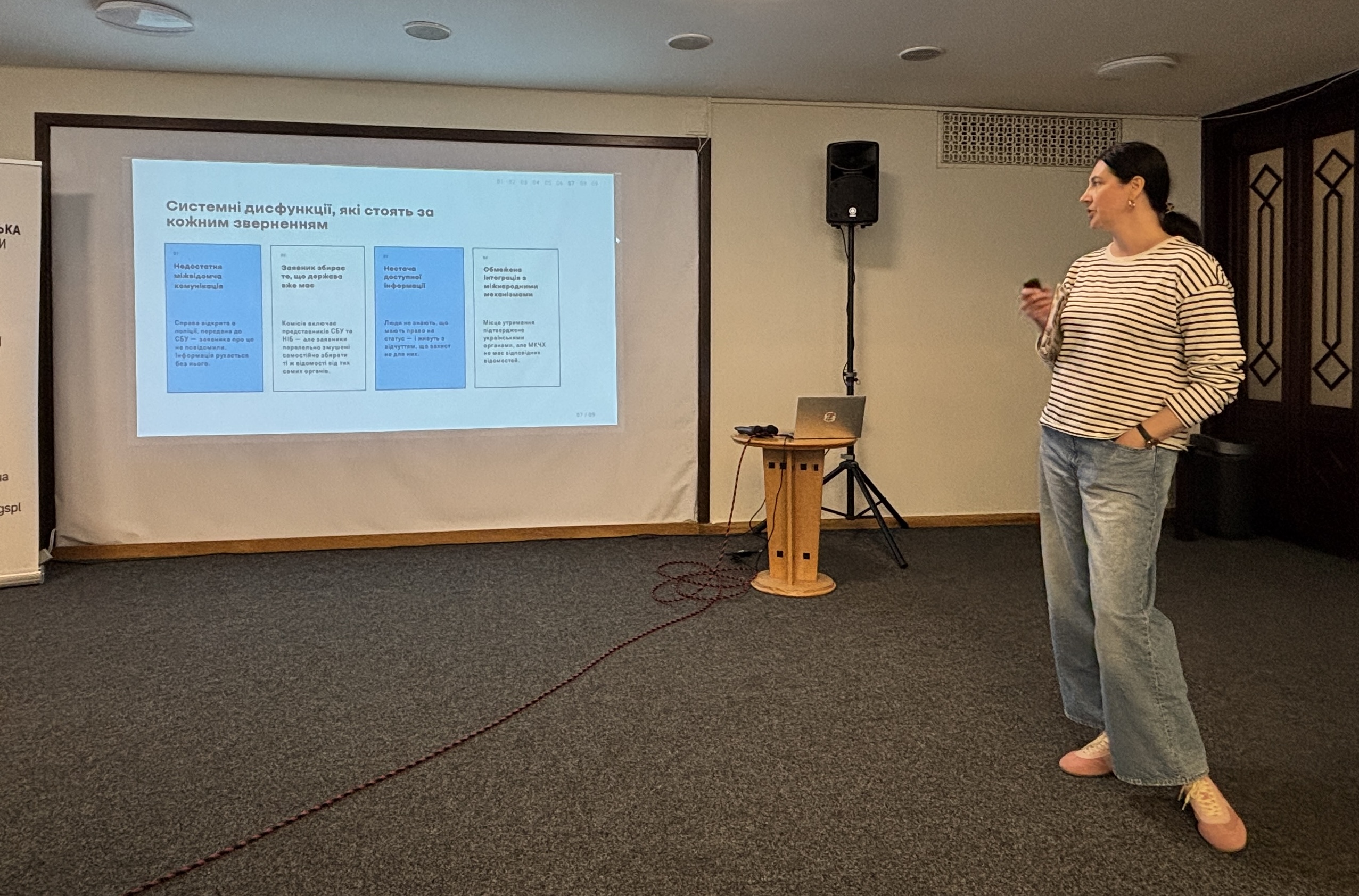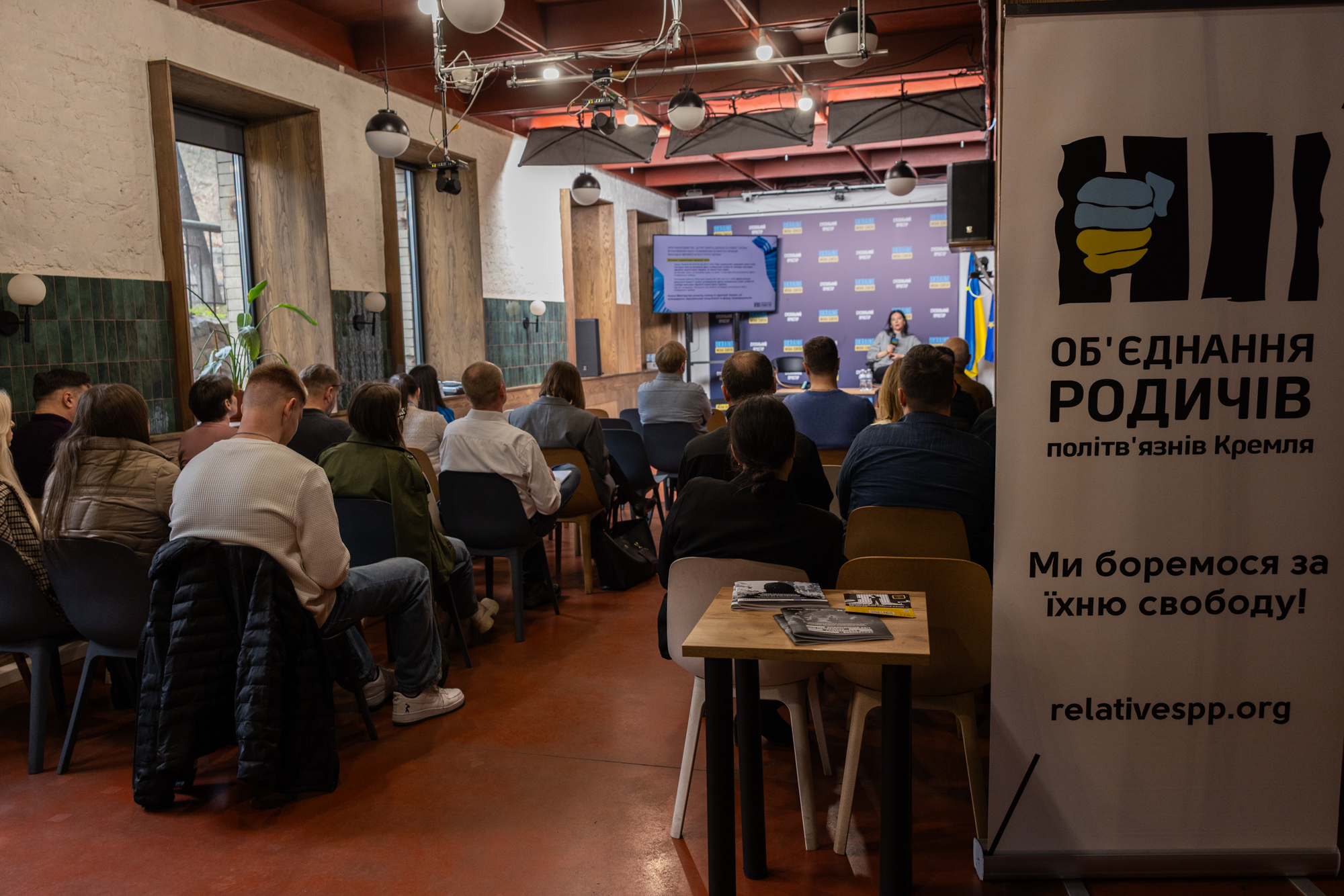


On 30 March, the Association of Relatives of Political Prisoners of the Kremlin held a training titled Evidence Base in Cases on Establishing the Fact of Deprivation of Personal Liberty of Civilians as a Result of Russia's Aggression: Building, Submitting and Assessing It. The participants included representatives of state bodies, members of the Commission, lawyers, human rights defenders, paralegals, experts, and civil society organisations.
This training was a follow-up to our work after the public expert review we presented in December 2025. One of its conclusions was the need for further training of Commission members. That is why we developed a specialised training session focused on working with evidence and on the practice of considering this category of cases. For us, it is part of systemic work aimed at improving the quality of Commission decisions and access to state support for those affected.
Explaining why this training was needed, Igor Kotelianets, head of the Association of Relatives of Political Prisoners of the Kremlin, noted: "In 2025, the Commission refused more than half of the civilian applicants. This shows that its work needs significant structural changes and a renewal of its membership — but it also needs Commission members to be better informed when assessing the evidence base in cases of civilians who were deprived of personal liberty. We also want to train the lawyers and human rights defenders supporting those affected to prepare applications and submissions in a way that helps the Commission reach positive decisions."
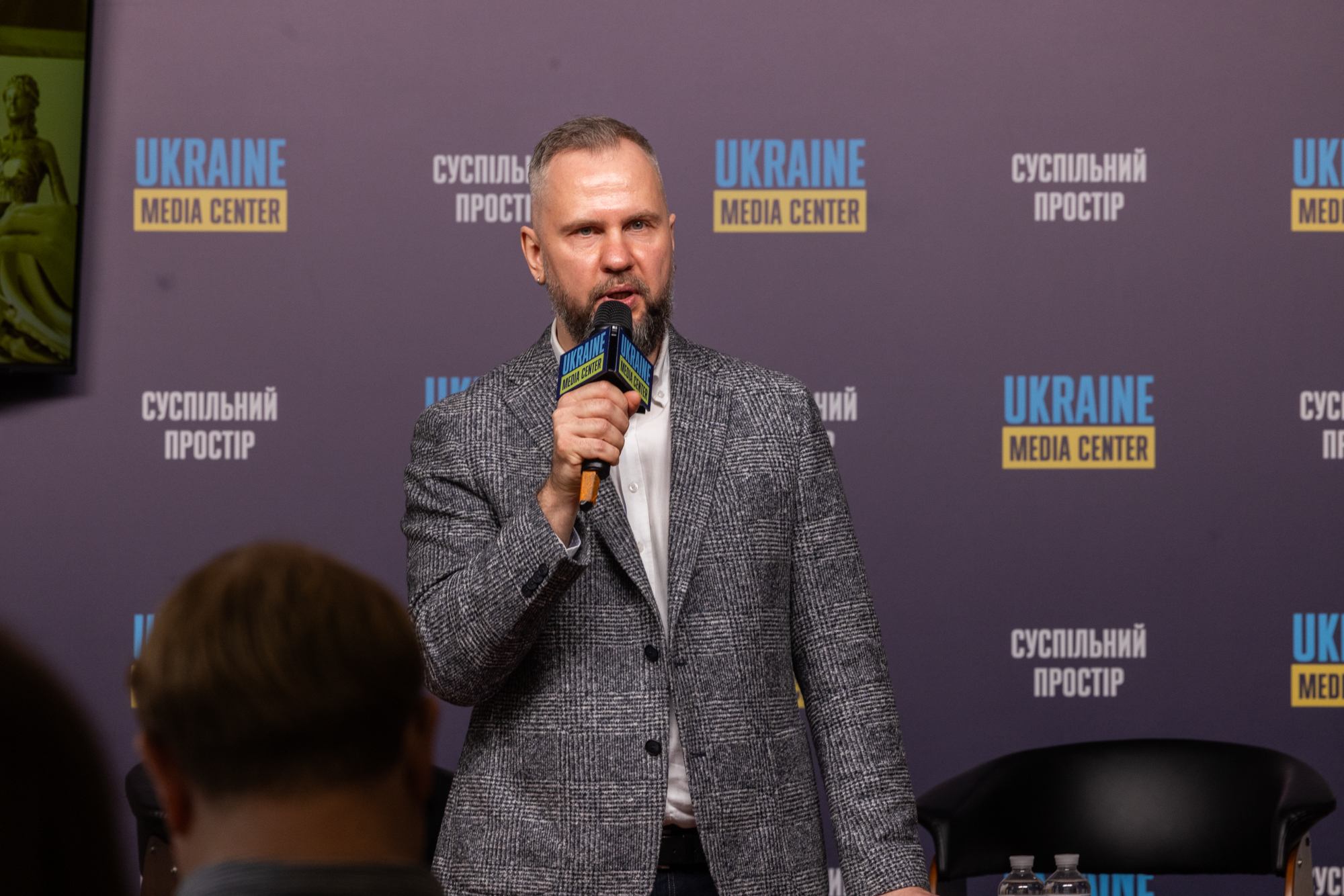
Monitoring the Commission's work is one of our strategic tasks, because it is the Commission's decisions that determine whether people who have lived through unlawful deprivation of liberty can access the assistance the state has set out for them. At the same time, we are working on concrete problems linked to the lives and health of those affected, their protection and release, and support for rehabilitation and reintegration after their return.
The training was built around the practical challenges that arise during the consideration of applications. Participants worked through the issues of building the evidence base, assessing the relevance and sufficiency of materials, and approaches to difficult cases where information is limited or fragmentary. Particular attention was given to the legal foundations of the Commission's work, the political motive behind persecution, and indicators of unlawful deprivation of liberty.
Liudmyla Shumkova, lawyer at the NGO Association of Relatives of Political Prisoners of the Kremlin, set out the general legal foundations of the Commission's work. Participants gained a systematic understanding of the legislation governing its activities, the powers and duties of the Commission, and the rights and guarantees available to applicants. The session also covered the algorithm of the Commission's work — from submission of an application to a final decision — and the practical aspects of organising this process.
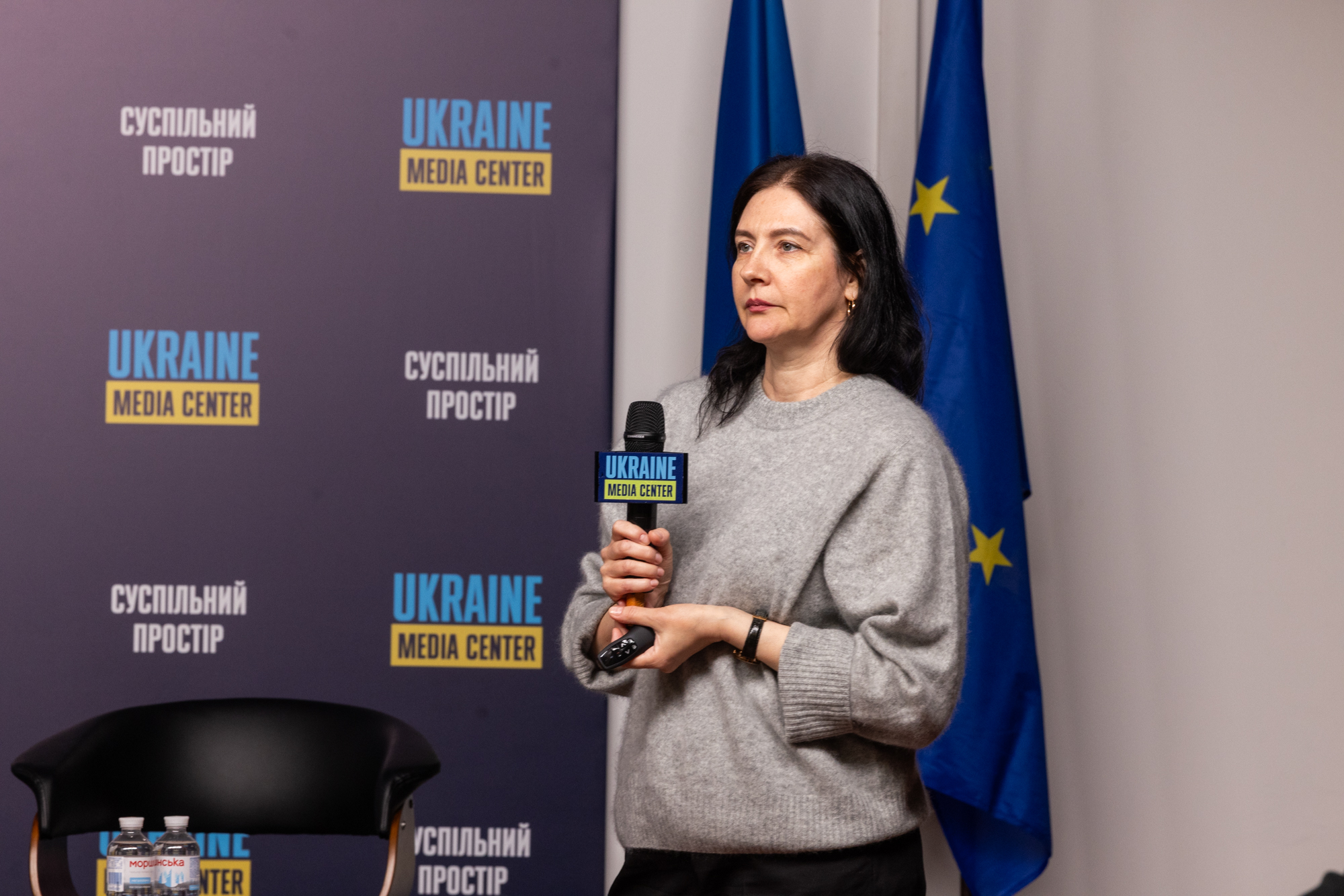
Mykhailo Savva, expert on political persecution and member of the Expert Council of the Center for Civil Liberties, focused on the political motive behind persecution. He explained how to identify a real or potential risk of unlawful persecution, which international standards apply in such cases, and why the political motive matters for the Commission's decisions. Participants also worked with practical indicators of political persecution and analysed real cases.
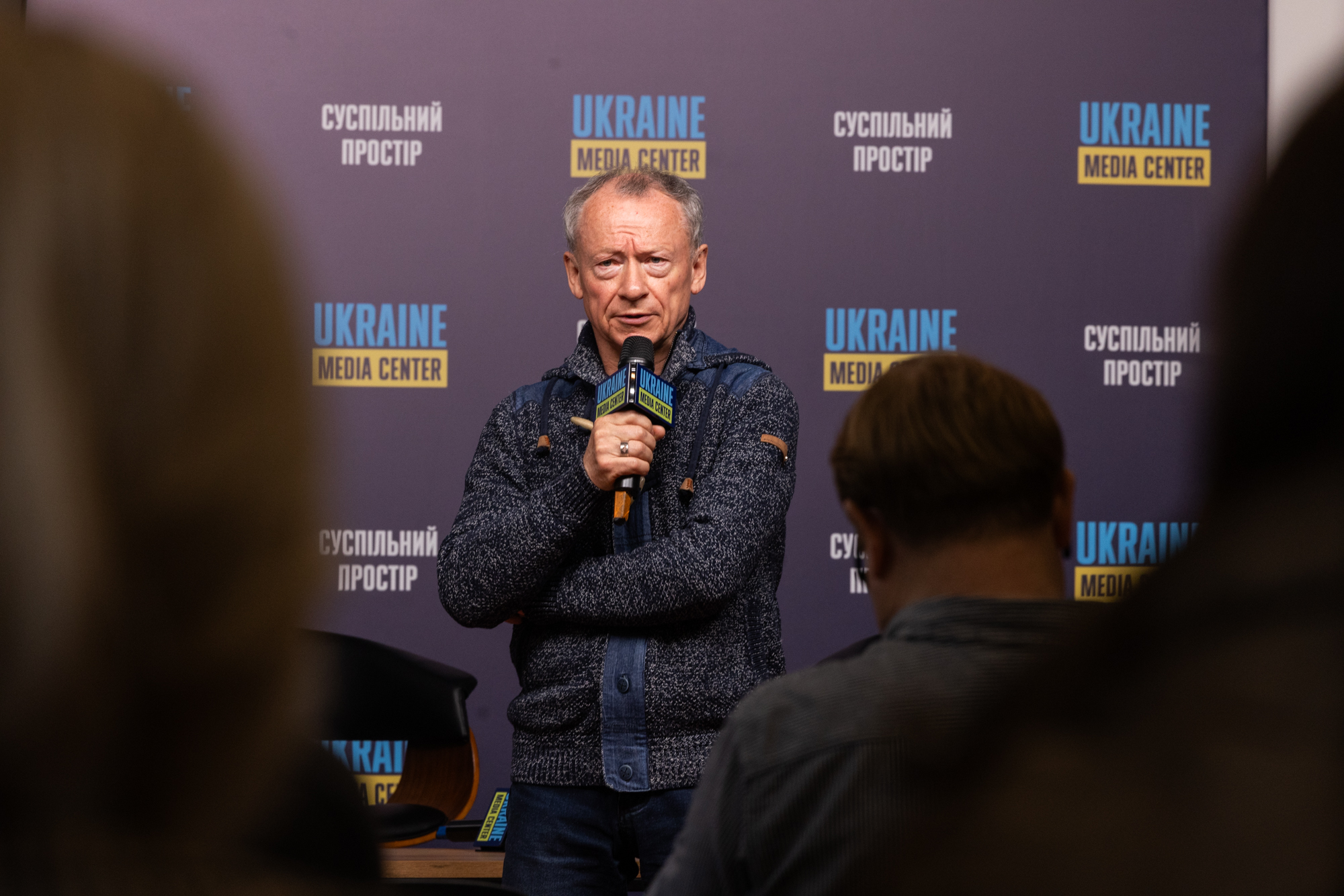
Olha Opalenko, expert and evidence manager at Truth Hounds, devoted her block to practical approaches to working with evidence. She covered ways to expand the sources of information, including engagement with civil society organisations and the use of databases, as well as approaches to analysing information within the framework of the current legislation. An important part of the session was working through a real case, which allowed participants to apply what they had learnt in practice.

Why this matters
Holding training sessions like this one is a tool for systemic change. We are working to ensure that the procedure for establishing the fact of deprivation of personal liberty is not merely formal, but genuinely clear, well-grounded, and effective.
Behind every application is a person who has lived through unlawful imprisonment and who needs not only formal recognition of that fact, but real access to state support. That is why we continue to work systematically — so that these decisions become fairer, and assistance more accessible.
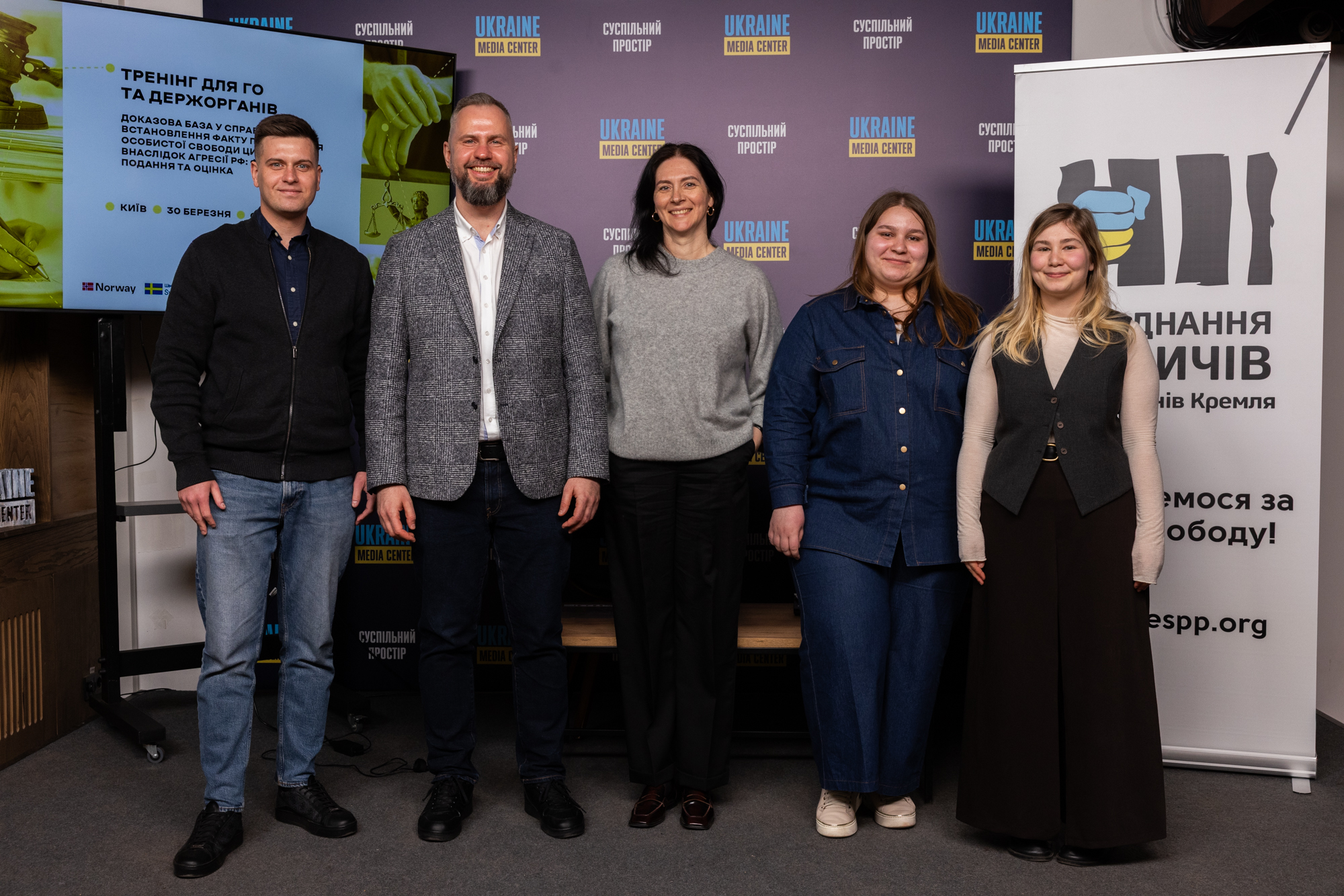
This event is held by the NGO Association of Relatives of Political Prisoners of the Kremlin with the support of the Askold and Dir Fund, administered by ISAR Ednannia under the Strong Civil Society of Ukraine — a Driver Towards Reforms and Democracy project, funded by Norway and Sweden.