

On 12 January, Ukraine marks the Day of the Ukrainian Political Prisoner – a date associated with the mass political repressions of the Soviet period. It was on this day in 1972 that the so-called “second wave of the crackdown on the Ukrainian intelligentsia” began, when the Soviet authorities sought to crush the Sixtiers movement through arrests and imprisonment. Half a century later, the Russian authorities are reproducing the same practice in the occupied territories: then as now, simply being Ukrainian is enough to become a target of repression.
In light of this continuity, on 12 January 2026 the NGO “Association of Relatives of Kremlin Political Prisoners” held a public event titled “The Day of the Ukrainian Political Prisoner: Memory and Action” to reflect on this date not only as a page of the past, but as part of the present. The symbolic figure of the event was Vasyl Stus – not only as an example of resistance, but also as a reminder that anyone who lives in accordance with their own convictions can become a victim of repression. Today, in the occupied territories, people are imprisoned for refusing to obtain a Russian passport, expressing a pro-Ukrainian position online, using the Ukrainian language, or performing their professional duties.
Taking these historical parallels into account, the organisers sought to combine the commemorative dimension with practical action – through public dialogue on the fate of civilian detainees and awareness of the crimes committed by the Soviet and Russian authorities against the civilian population as a prerequisite for preventing their repetition in the future.
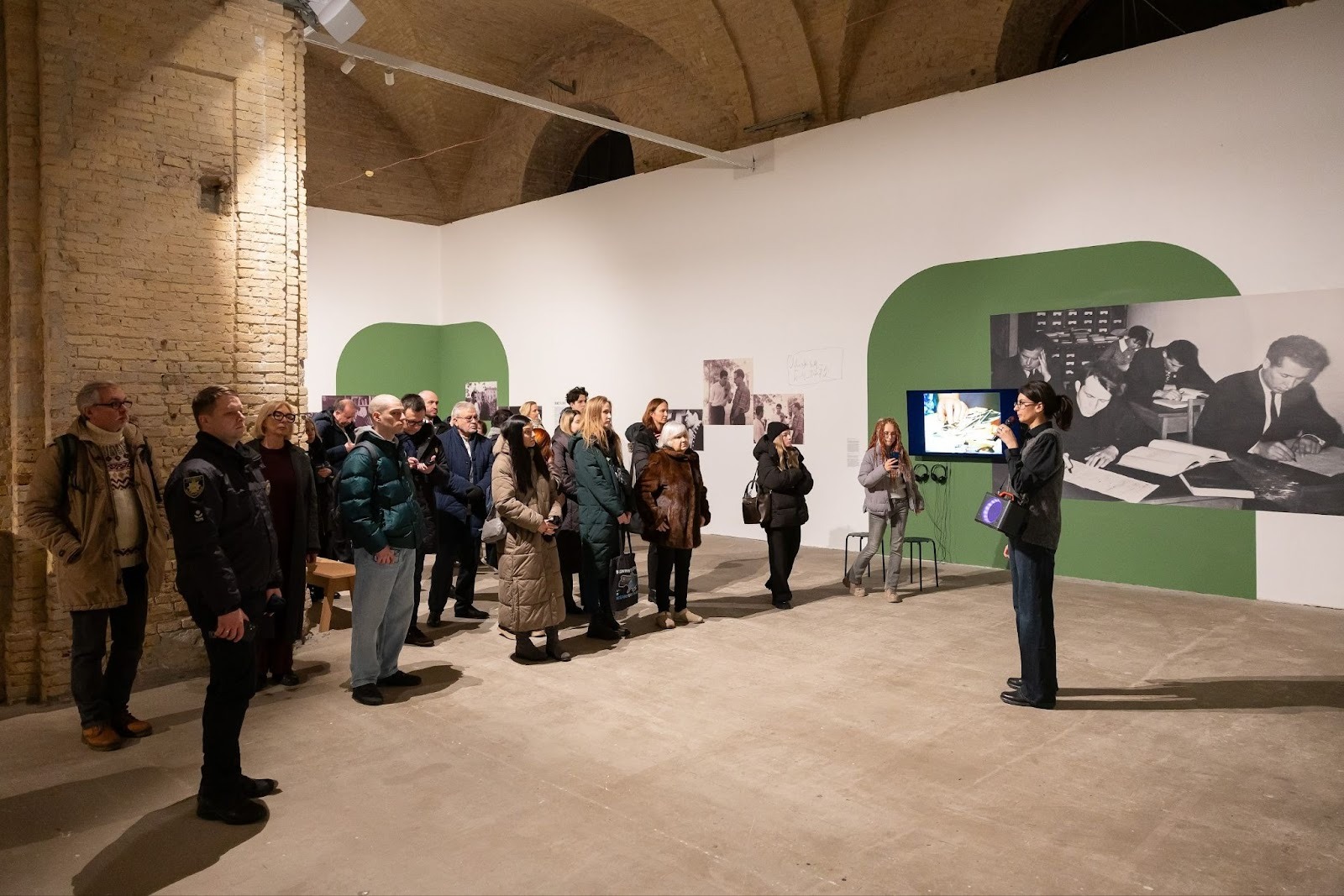
The event began with an author-led tour by Yuliia Naidukh of the exhibition “As long as we’re here, everything will be fine” at the Mystetskyi Arsenal, which served as a partner of the event.
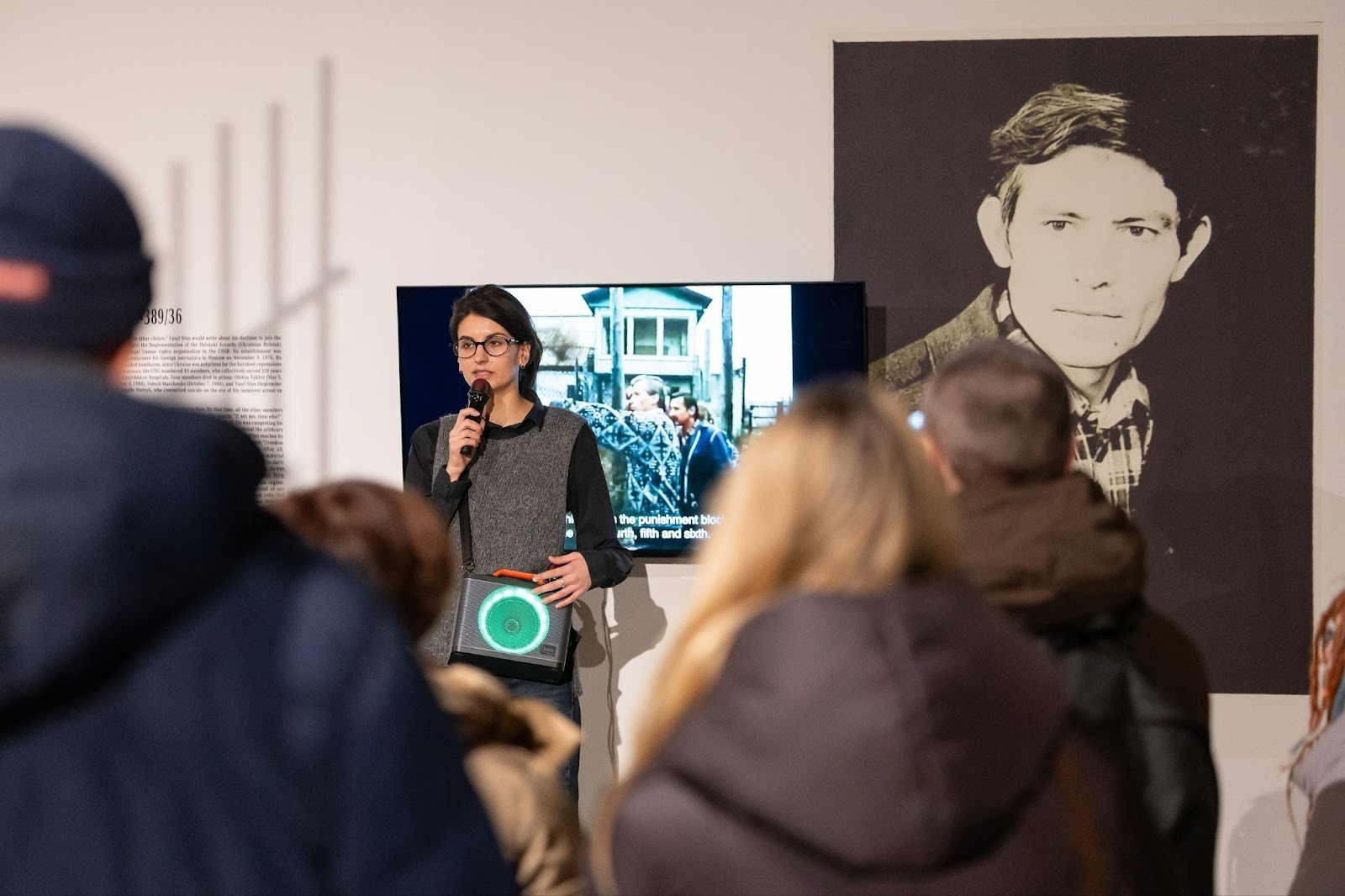
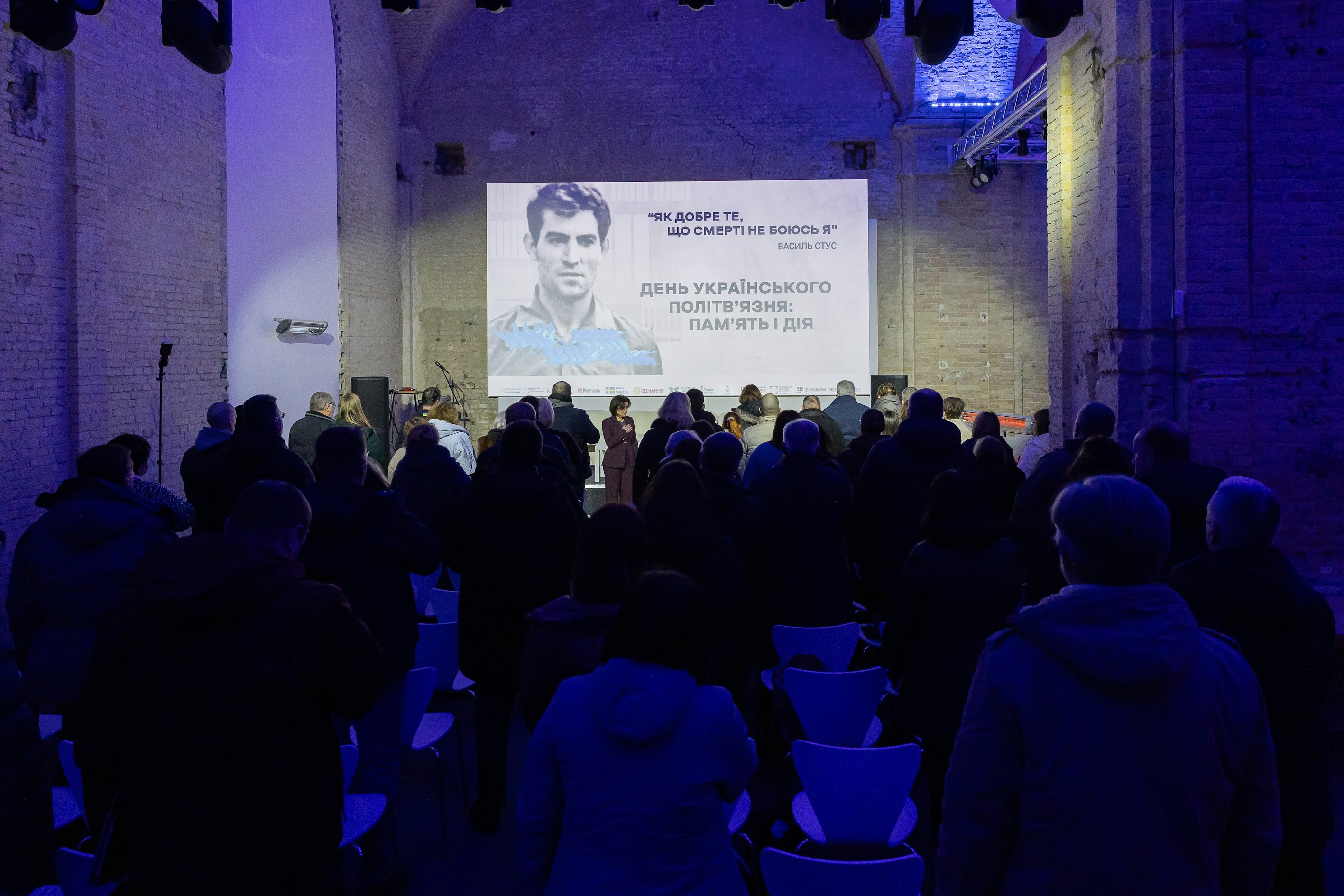
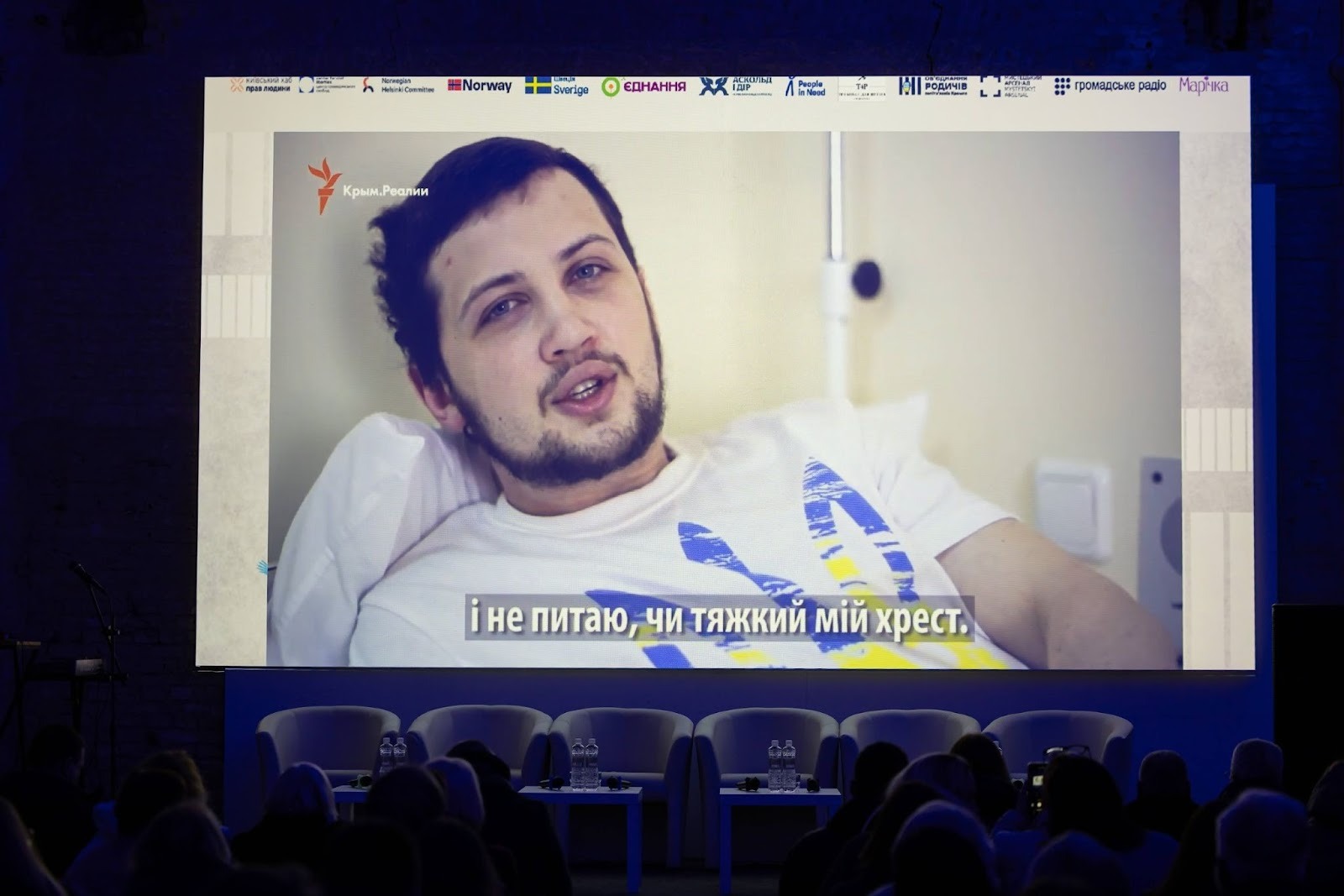
The official part of the event opened with the poem by Vasyl Stus, “How Good It Is That I Do Not Fear Death” performed by former political prisoner Hennadii Afanasiev. Sadly, this was an archival recording from 2016, made during his treatment after his release from imprisonment. After returning home, Hennadii became actively involved in human rights and civic initiatives and supported others who had been released. With the start of the full-scale war, he voluntarily took up arms to defend Ukraine. He was killed in December 2022 and was posthumously awarded the title of Hero of Ukraine.
The memory of him and of thousands of other soldiers who died defending the country was honored with a minute of silence and the performance of the National Anthem of Ukraine.
The central leitmotif of the event was the memory of Ukrainian political prisoners of all generations, which must be embodied in concrete actions – aimed at their release, ensuring dignified living conditions, and providing rehabilitation. This message was visually and emotionally reinforced by a solidarity performance in support of women who are currently held in Russian torture facilities. According to various estimates, nearly two thousand Ukrainian women are being detained in places of deprivation of liberty, where they are subjected to torture, psychological pressure, and prolonged isolation from their families.
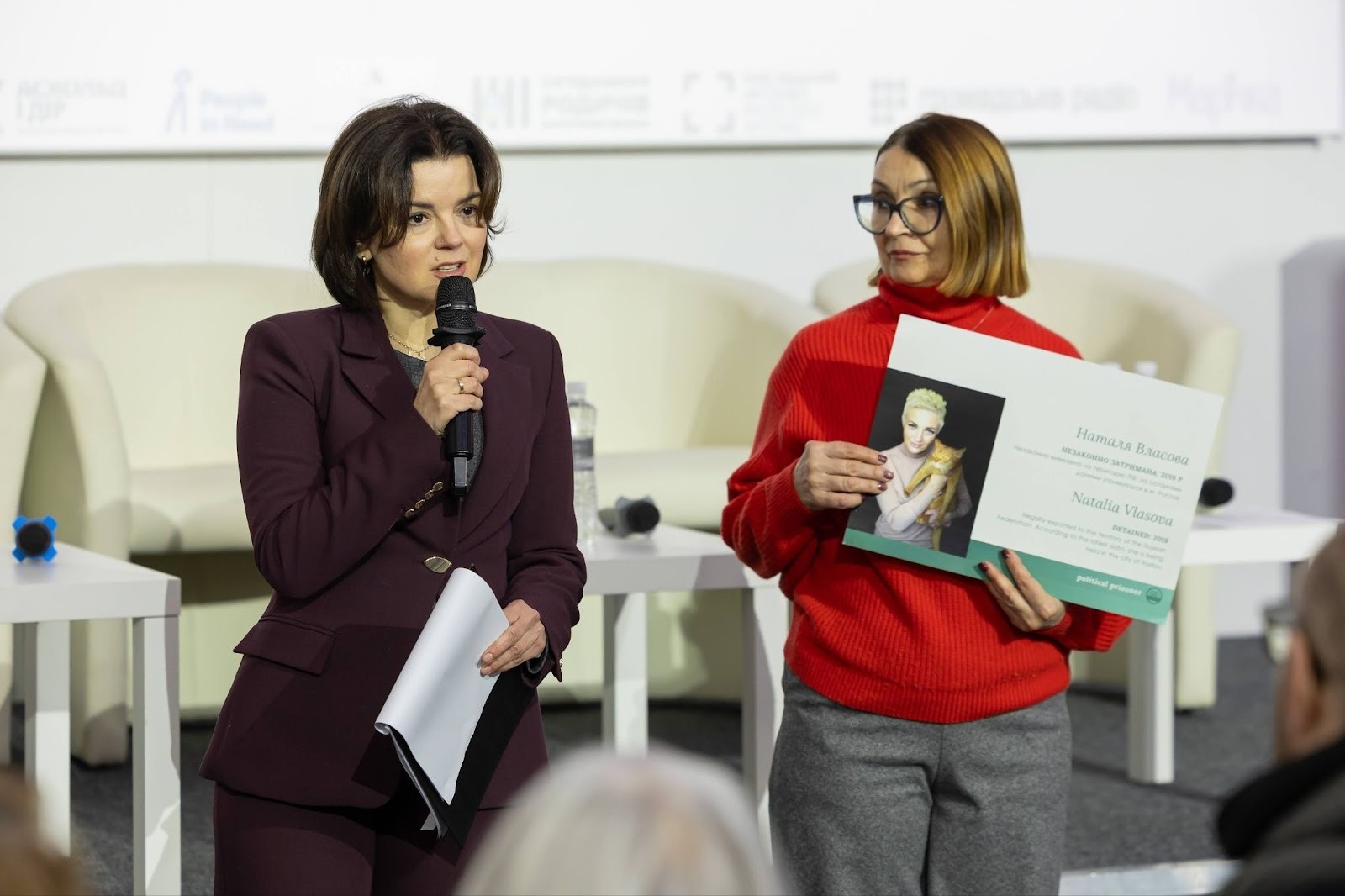
As a sign of solidarity, participants of the event raised portraits of women who are in captivity. The performance was initiated by the NGO “NUMO,Sisters!”. The head of the organization, Liudmyla Huseinova, emphasized that every public mention of illegally imprisoned Ukrainian women and men gives them a sense that they are remembered, as well as the strength to endure and to return home.
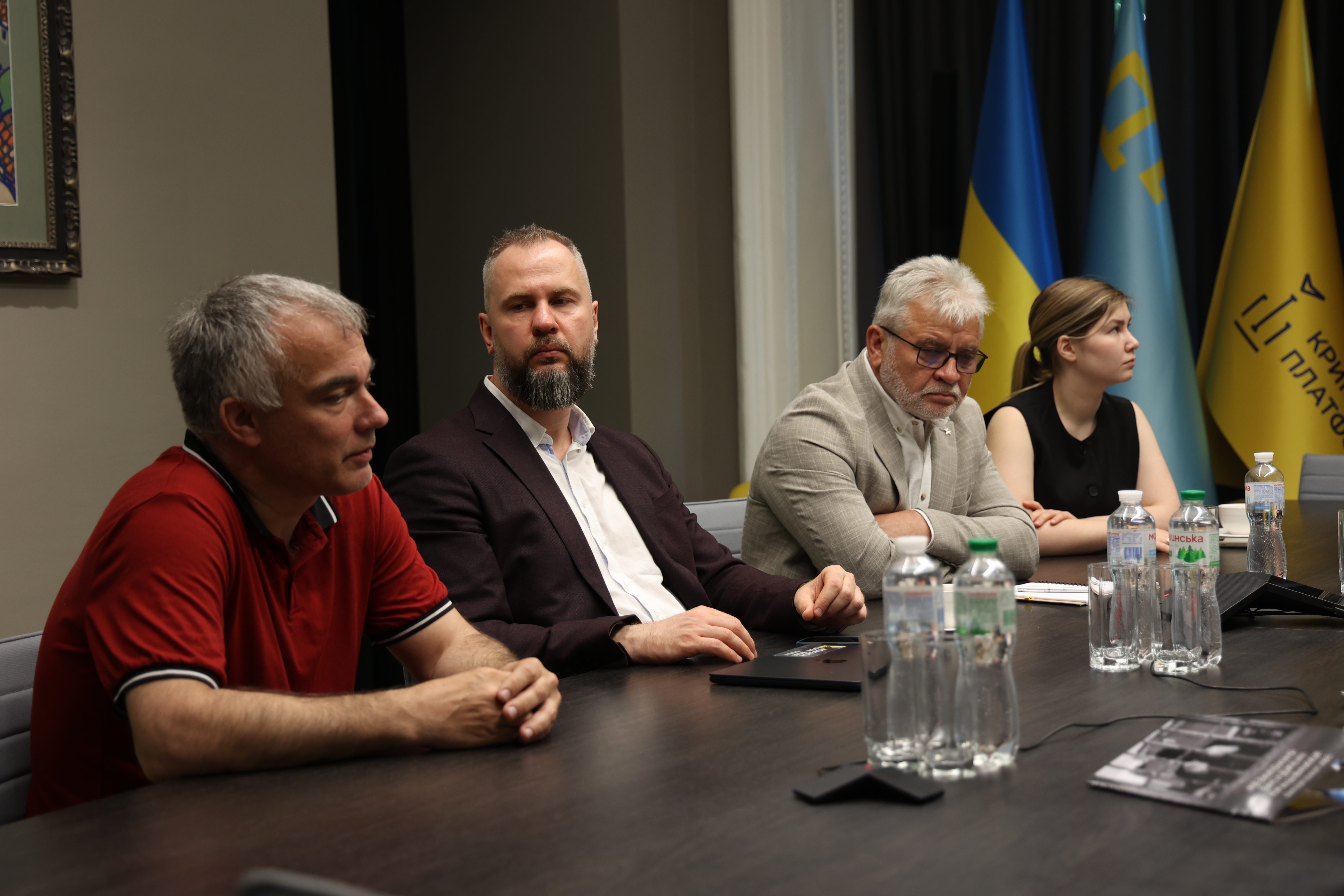
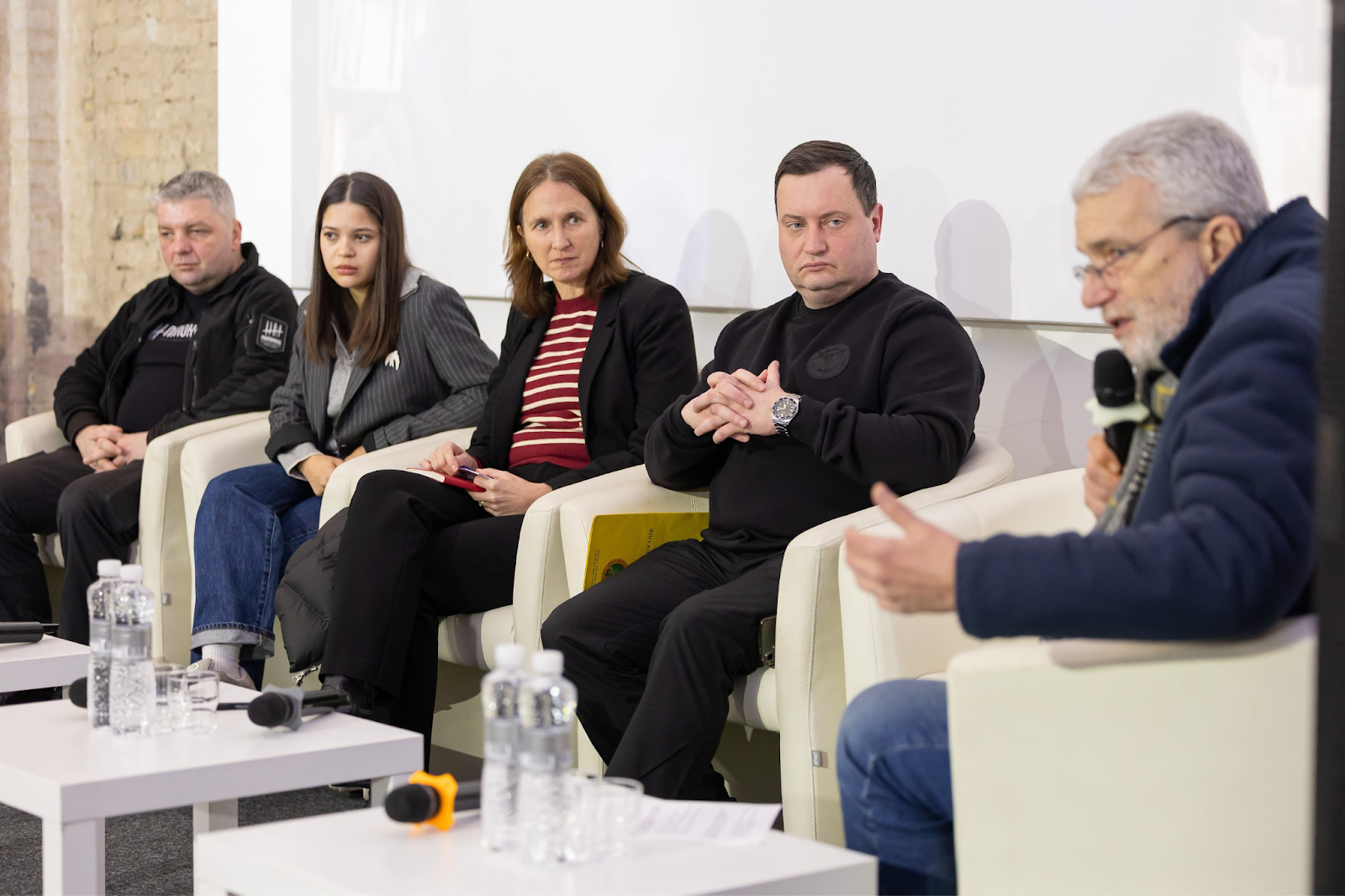
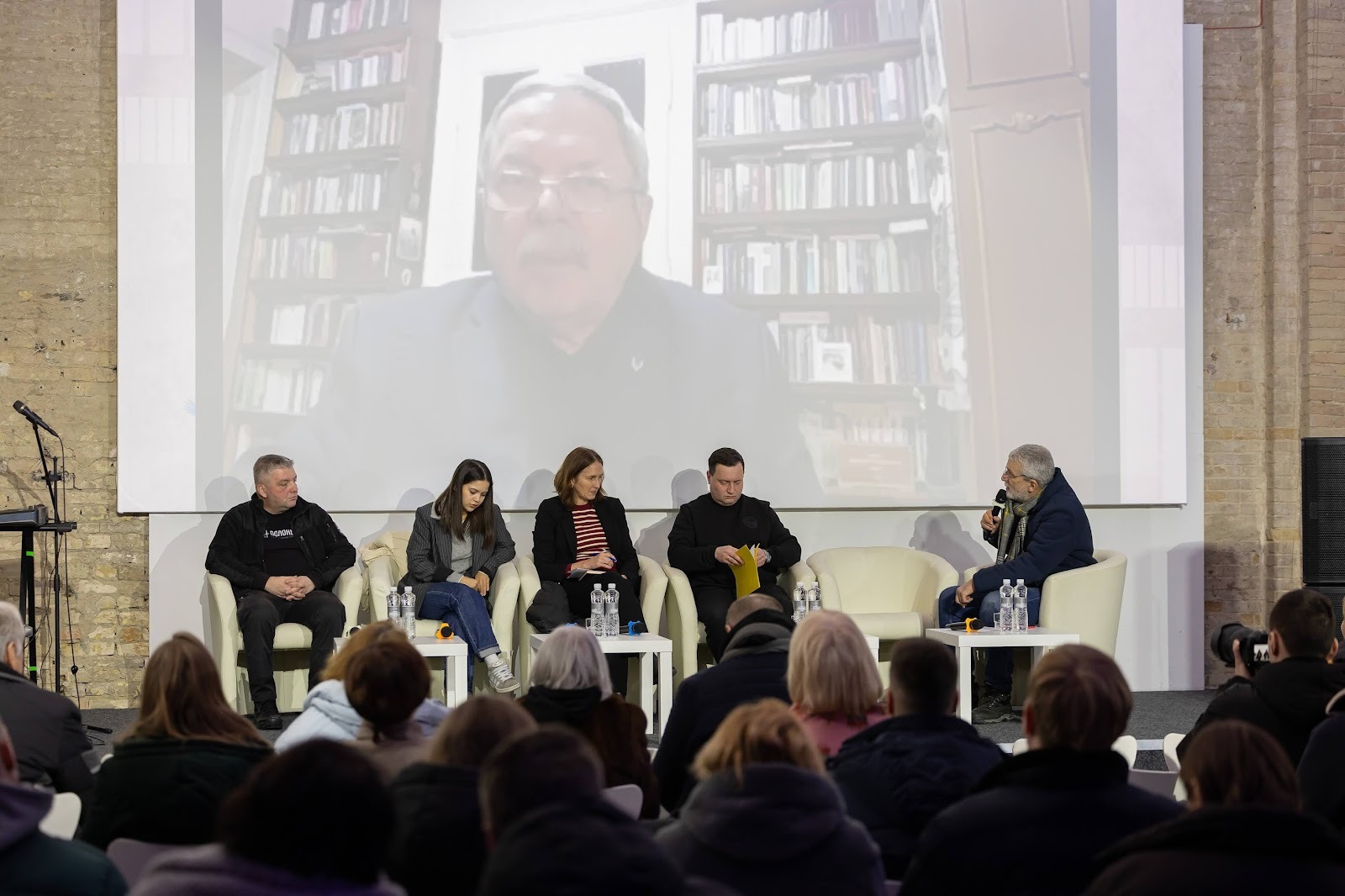
A key element of the event was the dialogue panel “Released from Russian Torture Chambers: Generations of the Persecuted and the Challenges of Societal Support,” moderated by Ukrainian journalist and media expert Andrii Kulykov. This format brought together people with diverse backgrounds – former political prisoners, human rights defenders, and representatives of the state and international organizations.
The panel aimed to demonstrate the continuity of political persecution of Ukrainians – from the Soviet era to the present-day Russian occupation – and to address the needs of civilians returning from illegal detention, as well as those of their families. Participants also discussed the international dimension of this issue and emphasized the responsibility of both the state and society to support the return and reintegration of people who have survived captivity.
“I naively believed that our generation would be the last to have to suffer for Ukraine.”
Myroslav Marynovych is a former political prisoner of the Soviet period, a dissident, human rights defender, co-founder of the Ukrainian Helsinki Group, and a leading intellectual authority on human rights. He opened the dialogue panel by outlining the historical framework of the discussion and emphasizing the continuity of political repression against Ukrainians. He recalled the mass arrests of 12 January 1972 – the so-called “great mowing down” of the Sixtiers – when the Soviet authorities attempted to crush the Ukrainian dissident movement through systematic terror and imprisonment.
According to Myroslav Marynovych, the logic of the repressive system has not changed: both then and now, brutality is used as a deliberate instrument of subjugation. He stressed that today’s Russian torture chambers, mass abductions, and the torture of civilians are a direct continuation of Soviet practices, not a distortion of them.
Mr. Marynovych paid special attention to the theme of generational relay – from UPA fighters and Soviet political prisoners to today’s Ukrainian soldiers and civilian captives of the Kremlin. He noted that in the prison camps, dissidents believed that after the collapse of the Soviet Union, different, non-violent relations between Ukraine and Russia might be possible; however, the older generation warned that Russia would never forgive Ukraine for its independence.
Myroslav Marynovych emphasized that the current war and the large-scale repression in the occupied territories have confirmed these warnings. He is convinced that systems built on violence, lies, and hatred are not viable in the long term, and that Ukraine’s task is to endure this marathon and break the imperial logic of fear.
“It is impossible to fully return [from captivity]. One can only adapt to a new life.”
Maksym Butkevych is a human rights defender, former political prisoner, and expert at the Center for Civil Liberties. His position was that release from illegal detention does not mean the automatic end of its consequences.
According to Butkevych, almost all those released from Russian captivity face a deep sense of loneliness, as their experience is not comparable to the environment to which they return – even when it involves their closest relatives. Returning from captivity is not a return to one’s previous life, but the beginning of a new stage that requires adaptation, support, and time.
He paid particular attention to the challenges faced by civilians, who are often forced to prove the link between their detention and their pro-Ukrainian stance, navigate complex and protracted bureaucratic procedures, and frequently remain without adequate medical, psychological, and social assistance. According to Butkevych, the lack of a systematic reintegration framework creates a serious risk of re-traumatization.
In this context, he stressed the need to develop rehabilitation programmes that go beyond short-term medical or psychological assistance. Instead, what is required is a long-term, comprehensive process that includes physical recovery, psychological support, social adaptation, assistance with housing, documentation, employment, and the restoration of ties with family and community. Without such a system, release from captivity risks remaining merely a formal moment, after which a person is once again left alone with the consequences of what they have endured.
The task of the state and society is to ensure that release becomes not the end of a struggle for survival, but a return to a life of dignity.
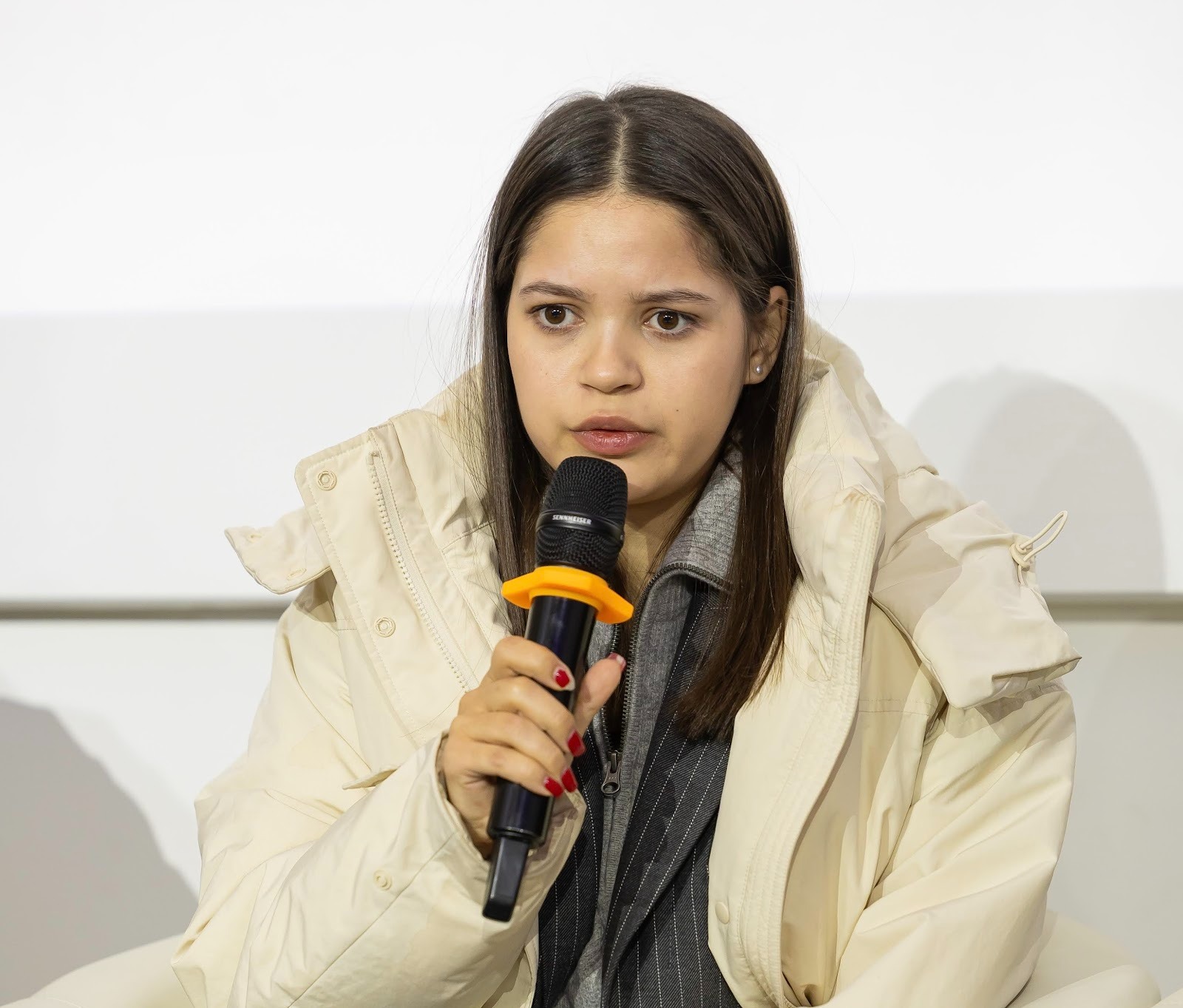
“The scariest thing is the time when you have no status and do not know what will happen to you tomorrow.”
Leniie Umerova is a civic activist and a Crimean Tatar who was held in illegal detention in Russia from 2022 to 2024 on fabricated charges of espionage. In her speech, she focused on highlighting the experience of civilian captives and the mechanisms of psychological pressure used by the Russian repressive system.
Umerova described the most painful period of her imprisonment as the state of incommunicado – complete isolation, with no information provided to her family and no understanding of her status or future. Such uncertainty, she emphasized, is one of the cruelest tools of pressure aimed at breaking a person.
She stressed that persecution by the Russian authorities occurs simply on the basis of identity – Ukrainian or Crimean Tatar – for refusing to accept a Russian passport or to live under the rules of occupation. Umerova placed this experience within the broader historical context of the systematic persecution of the Crimean Tatar people.
Leniie Umerova called on society not to remain silent about civilians in captivity, noting that public attention and public mention of detainees serve as a means of protection and a source of strength for those who remain behind bars.
“Torture can never be justified by war.”
Noelle Calhoun is the Deputy Head of the UN Human Rights Monitoring Mission in Ukraine. In her remarks, she explained how the issue of the illegal detention of Ukrainian civilians is perceived at the international level and what challenges human rights institutions face.
International partners of Ukraine often struggle to understand the issue of civilian detainees. Arguments are frequently made that the occupying authorities allegedly have the right to detain civilians for security reasons. However, such doubts do not arise when it comes to prisoners of war or deported children. At the same time, Calhoun emphasized that international law clearly defines the limits of such actions, which Russia systematically violates. The UN Human Rights Monitoring Mission has documented widespread cases of torture, ill-treatment, detention in unofficial places of deprivation of liberty, lack of access to legal assistance, and the deportation of civilians thousands of kilometers away from their homes.
Noelle Calhoun stressed that the systematic collection of facts, data, and testimonies is a key instrument of international pressure on the Russian Federation and a foundation for demanding accountability for crimes against the civilian population.
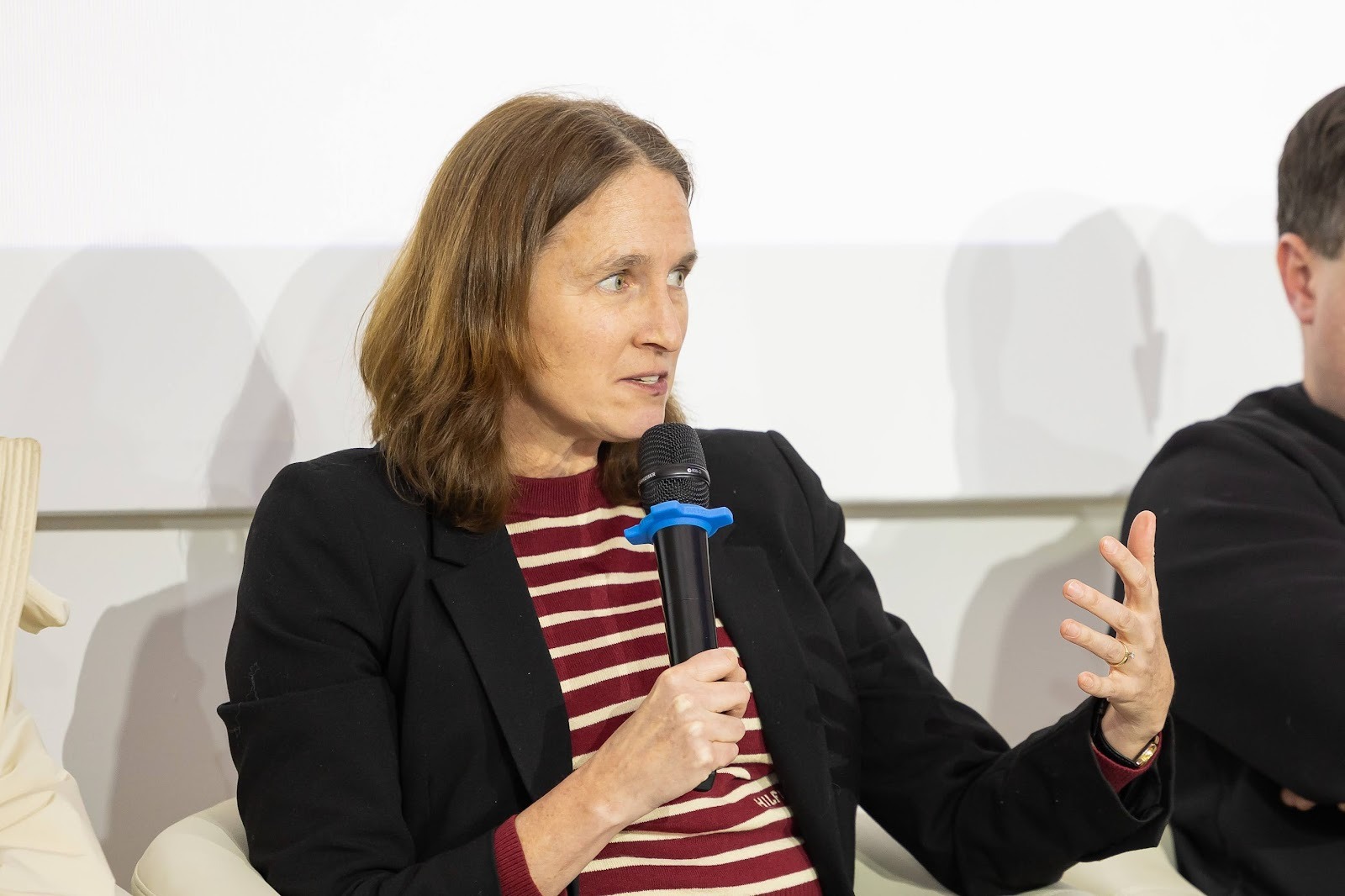
“We are facing the greatest humanitarian challenge in Europe since the Second World War.”
Andrii Yusov, Deputy Head of the Coordination Headquarters for the Treatment of Prisoners of War, spoke about how the state is working to bring back illegally detained Ukrainians and the difficulties it faces in this process. According to him, Ukraine is dealing with an unprecedented situation – the mass abduction and illegal imprisonment of civilians during the full-scale war.
He cited specific figures on the number of civilians who have already been returned, as well as confirmed cases of illegal detention and missing persons. However, these data do not reflect the full picture, as the actual number of people held in Russian captivity is significantly higher. Documenting these figures is essential so that the world can see the real scale of Russia’s crimes against civilians.
Yusov also explained why the Coordination Headquarters, which was initially established to deal with prisoners of war, is also working with civilians. The reason is simple: the Russian side does not distinguish between military personnel and civilians and carries out mass abductions in the occupied territories. As a result, the state was forced to rapidly adapt its approaches and make decisions under conditions of constant crisis. According to Yusov, cooperation with civil society organizations and the families of detainees plays a crucial role in this work – without it, returning people would be far more difficult.
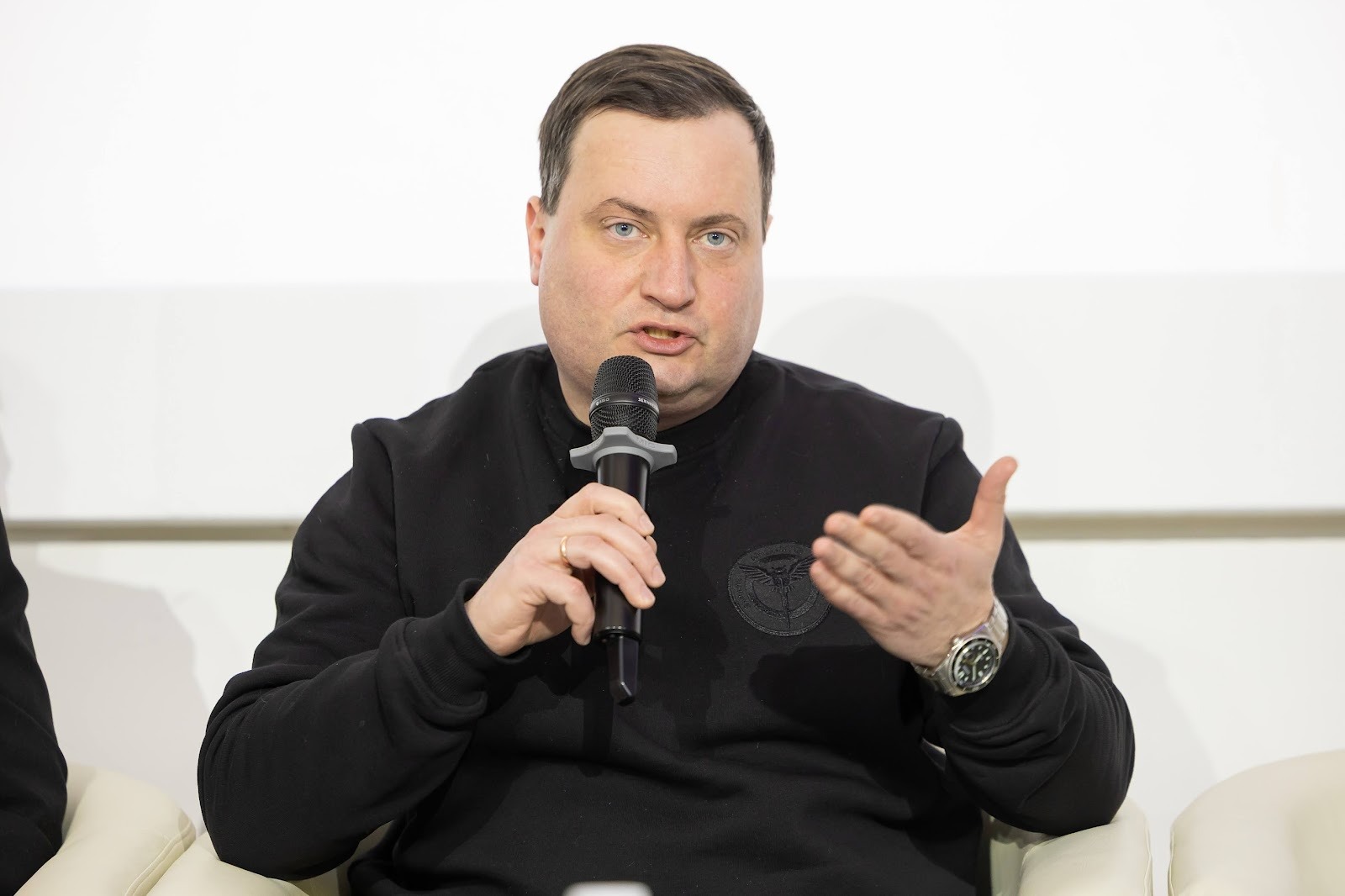
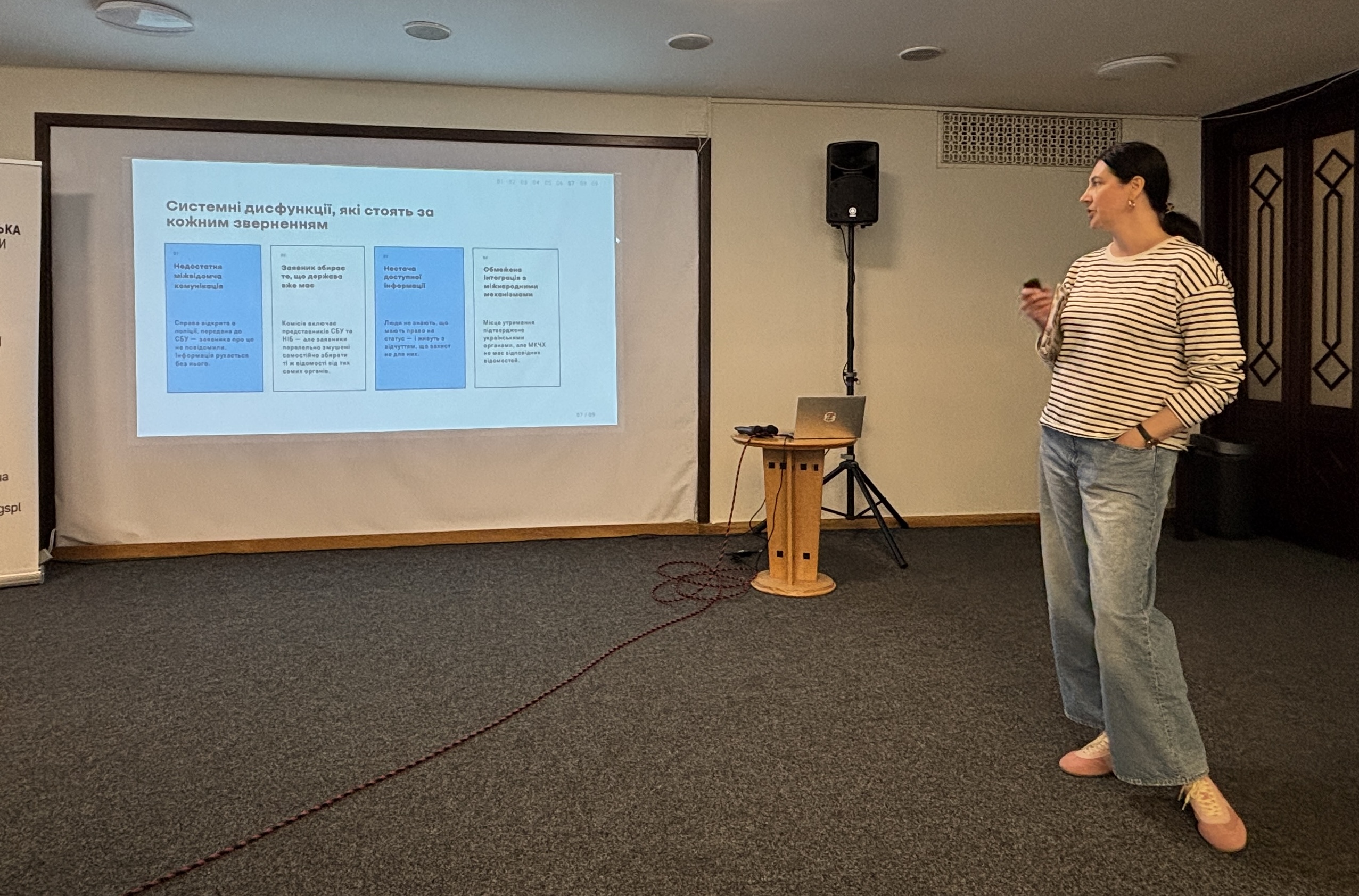
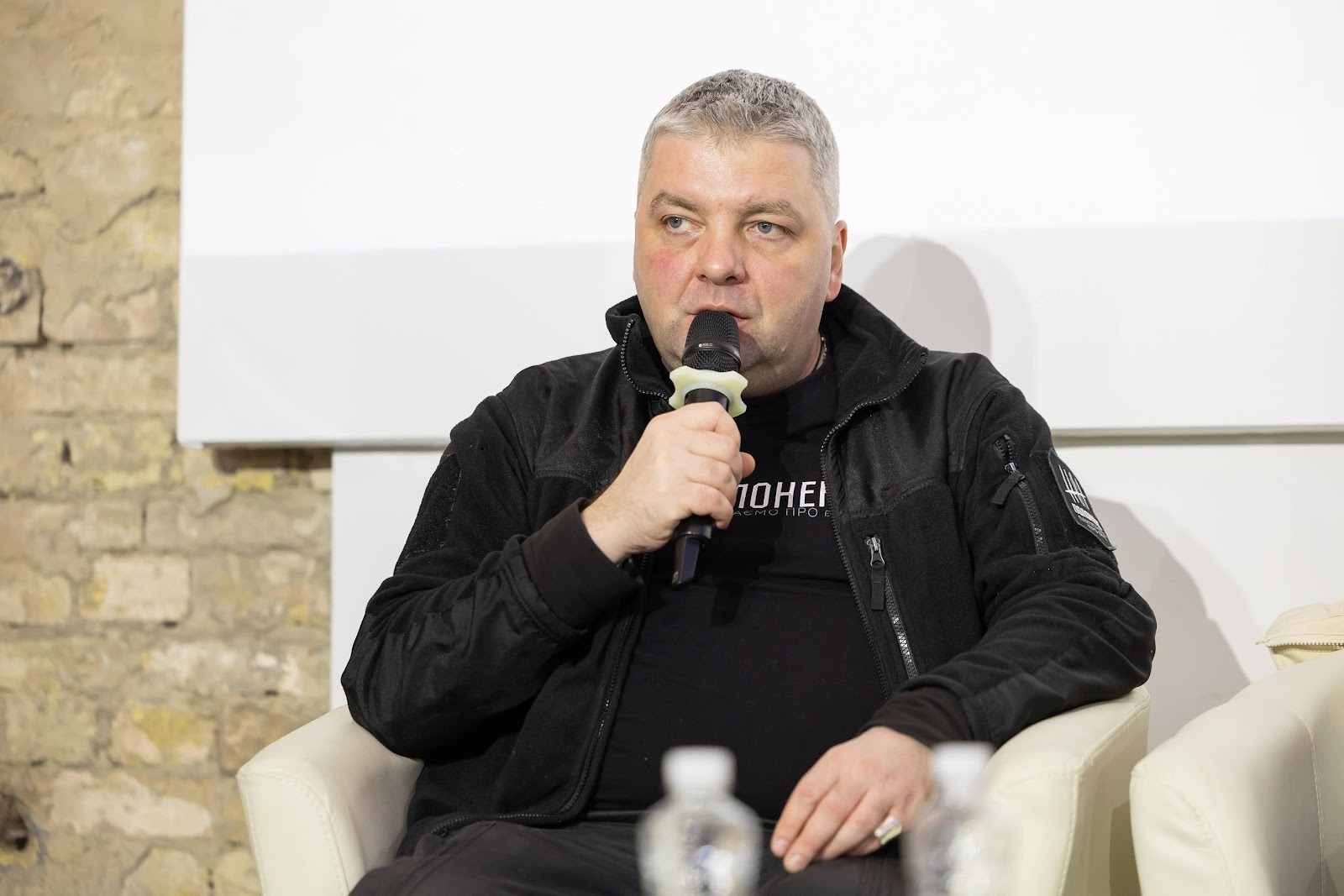
A separate segment of the event was dedicated to the presentation of legislative initiatives prepared by civil society organizations that participated in the roundtable “Three Years of the Law on the Protection of Civilians in Russian Captivity: How to Make Support Effective,” held in October 2025, as well as by representatives of the Committee of Kremlin Civilian Captives. The Committee brings together specialized organizations that work directly with people affected by illegal detention. These include “Tsyvilni Vilni” , “Shliah vilnykh”, “Numo, Sisters!” , “Civilians in captivity”, “Civilian prisoners”, “Free to live” , “11 Lystopada”, and the “Association of Relatives of Kremlin Political Prisoners.”
The proposed legislative initiatives outline comprehensive changes aimed at protecting the rights of civilians illegally deprived of their liberty. These include the introduction of guaranteed basic assistance after release, reform of the mechanism for recognizing the fact of illegal detention, and the creation of an effective system of rehabilitation and reintegration. The proposed changes seek to eliminate gaps in current legislation that often leave people released from illegal detention without adequate support.
The initiatives were presented by representatives of профильні organizations – the NGO “Association of Relatives of Kremlin Political Prisoners,” the charitable foundation “Civilians in Captivity,” the NGO “Civilian People,” and the NGO “Numo, sisters!”
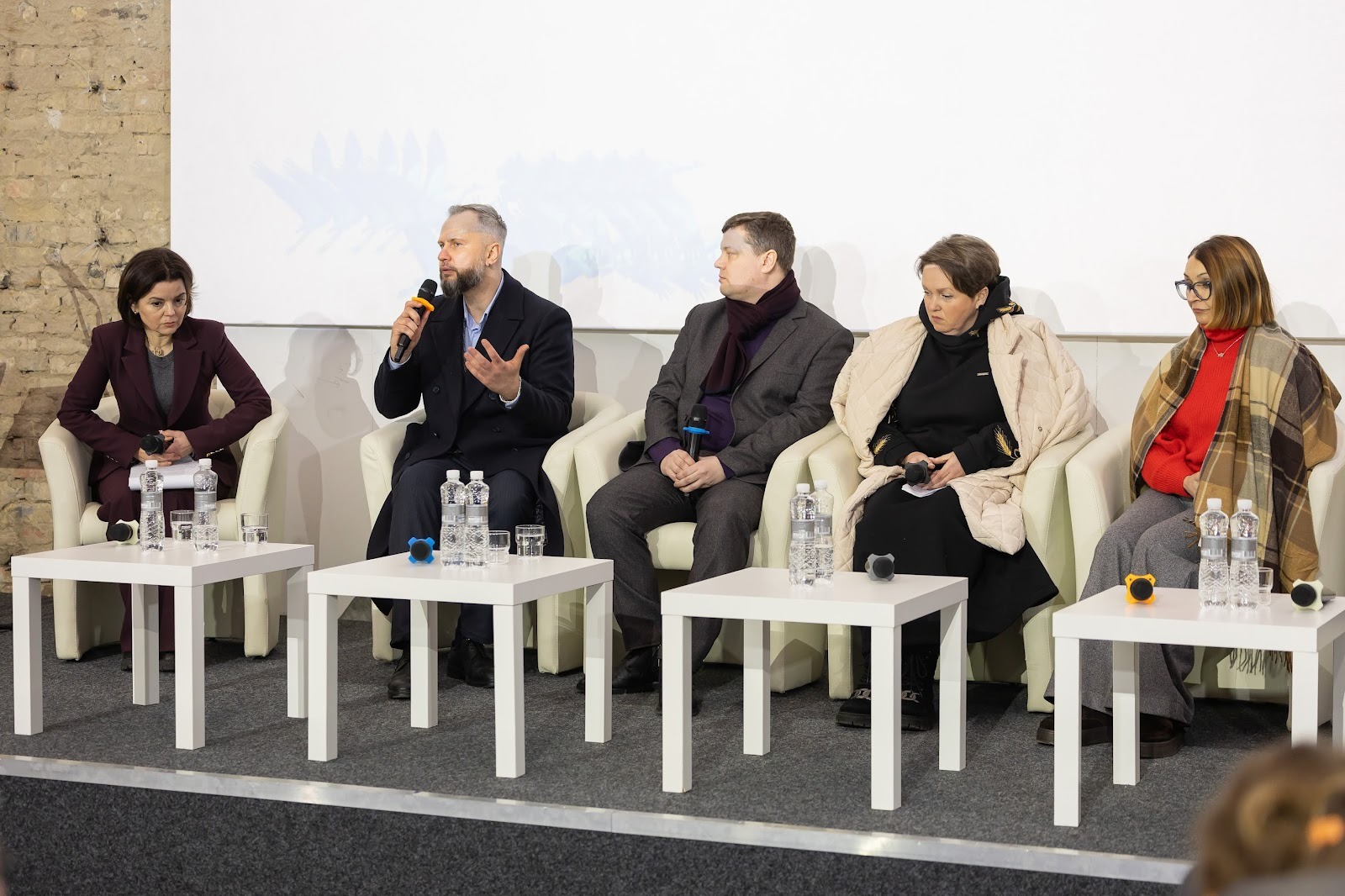
“A person should receive assistance not because they have proven their heroism, but because they are a citizen of Ukraine who has been illegally deprived of their liberty.”
Igor Kotelianets, Head of the NGO “Association of Relatives of Kremlin Political Prisoners,” emphasized that the current support system for civilian captives is built on a flawed logic of proof. According to him, people are forced to prove not only the fact of their illegal detention, but also their pro-Ukrainian stance or civic activism in order to receive assistance.
He insists on legislatively enshrining a basic package of support that should be provided automatically upon release – without additional conditions or humiliating procedures. Such assistance should include medical and psychological support, financial aid, and social adaptation.
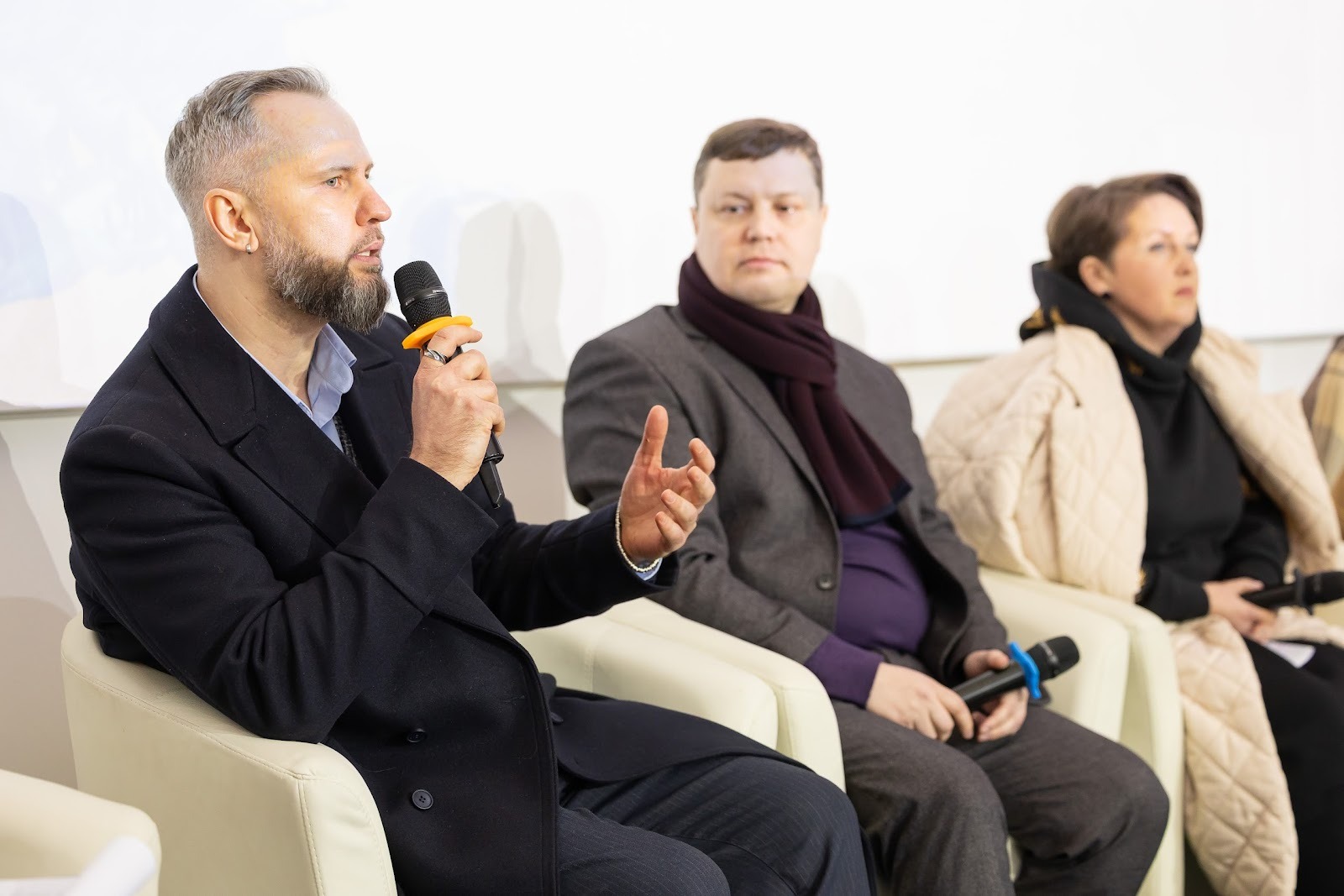
“The most critical moment is the first days after release, and that is exactly when assistance must be guaranteed.”
Kostiantyn Davydenko, Director of the charitable foundation “Civilians in Captivity” and a former civilian captive himself, focused on the need for immediate rehabilitation. He emphasized that those who are released often return with severe physical and psychological trauma, without documents, housing, or access to basic services.
He believes that assistance must not depend on the decisions of commissions or lengthy procedures. Legislation should guarantee comprehensive support from the moment of release – including medical treatment, psychological care, the restoration of documents, and basic living conditions.
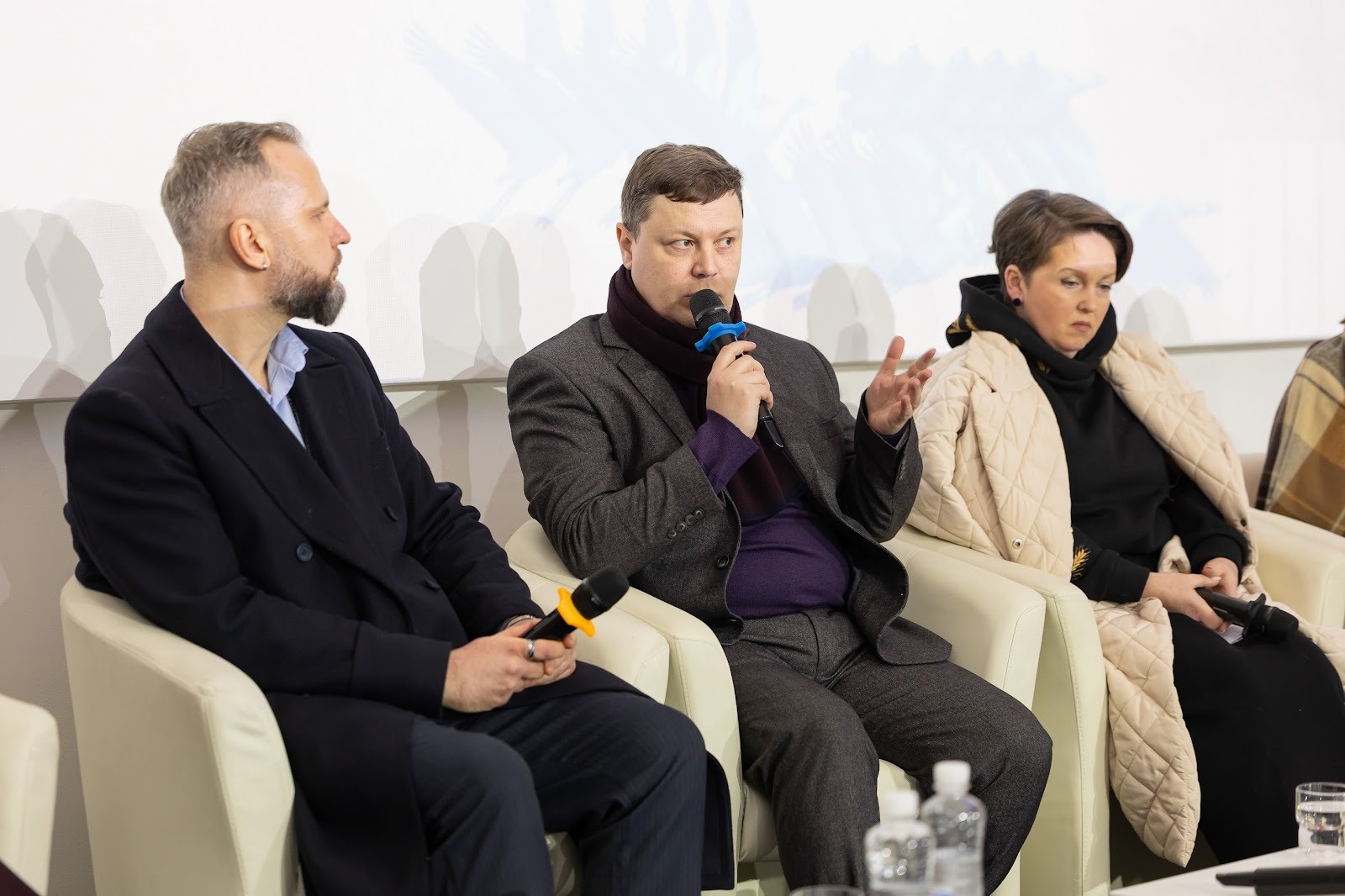
“Today, the system often fails to see the person behind the documents.”
Olena Yahupova, Deputy Head of the NGO “Civilian People,” drew attention to problems in the work of the interagency commission responsible for recognizing the fact of illegal deprivation of liberty. She emphasized that the lack of transparent criteria and outdated approaches lead to unfounded refusals and prolonged procedures.
Yahupova advocates for reforming the commission, including the involvement of representatives of civil society organizations through a competitive selection process and strengthening the role of territorial communities, which are the first to encounter the needs of those released and should be prepared to support them.
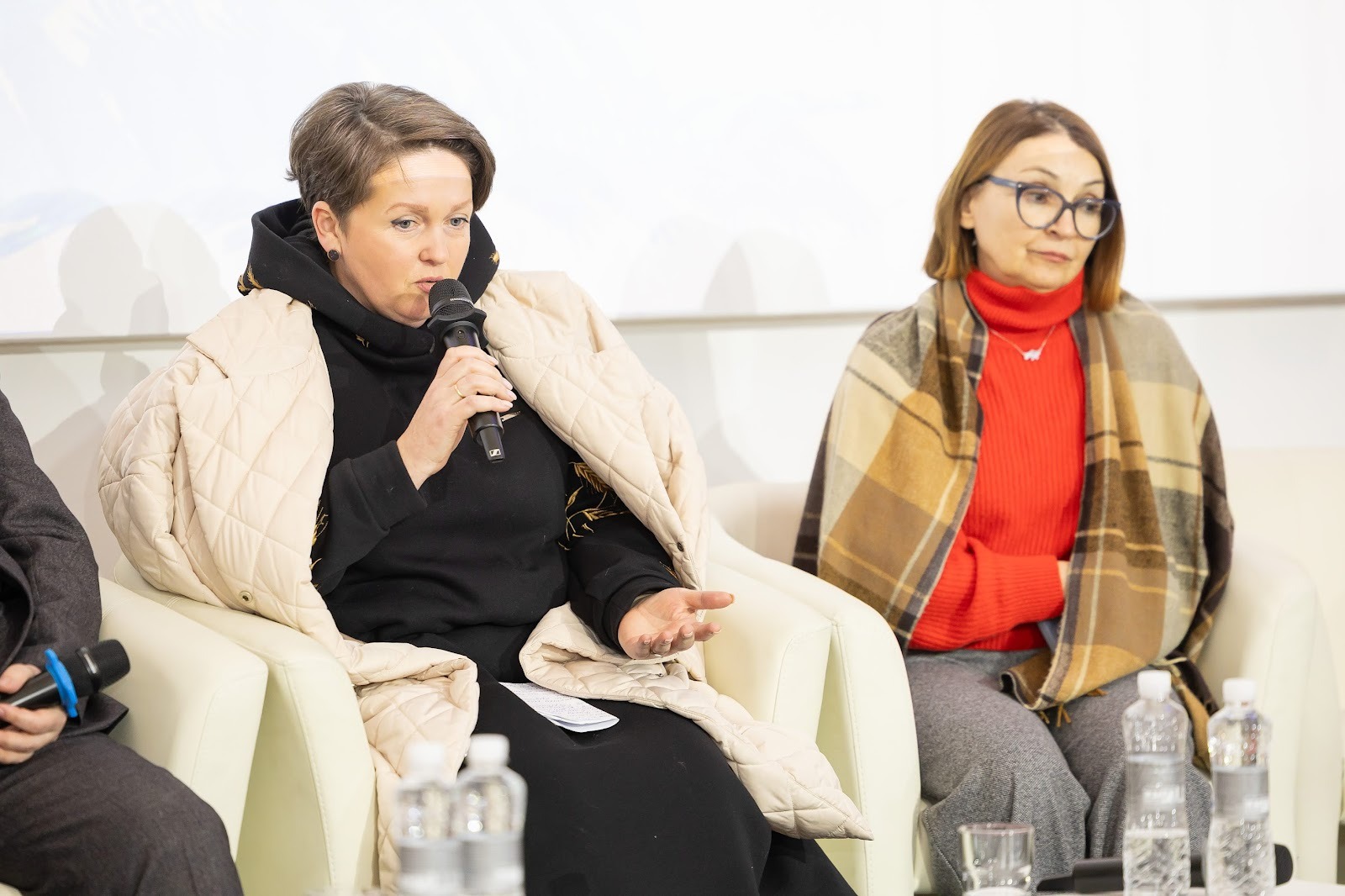
“When a person in captivity is told that they have been forgotten, this too is a form of torture.”
Liudmyla Huseinova, Head of the NGO “Numo, Sisters” and a former civilian captive, emphasized that legislative initiatives must take into account not only the material aspects of assistance, but also the need for recognition. According to her, publicity and attention to the fate of civilian captives are critically important for those who remain in detention.
She also stressed the need to include a family dimension in rehabilitation programmes – support for children and loved ones who have lived for years under conditions of uncertainty and psychological pressure.
An important practical component of the event was the presentation of the first results of the survey “Ensuring the Right to Rehabilitation for Those Released from Illegal Detention: A Dialogue on Needs and Ways to Implement Effective Programmes.” During the event, participants were able to complete a short anonymous survey on the needs of people who have survived illegal detention.
The purpose of the survey was to gather real-life experiences and expectations of those affected, their families, human rights defenders, and professionals, so that rehabilitation programmes planned for 2026 would be developed based on actual needs rather than formal assumptions.
The survey covered key areas of rehabilitation, including the main challenges after release from illegal detention, priority medical specialties, psychological support, and social reintegration. Respondents’ answers demonstrated a clear demand for comprehensive, long-term, and people-centered support that combines medical, psychological, and social assistance from the moment of release.
In addition to its practical purpose, the survey also had a symbolic dimension. All participants who took part in it were entered into a raffle for a copy of Vasyl Stus’s poetry collection “Palimpsests” as a gesture of gratitude for their participation and solidarity.
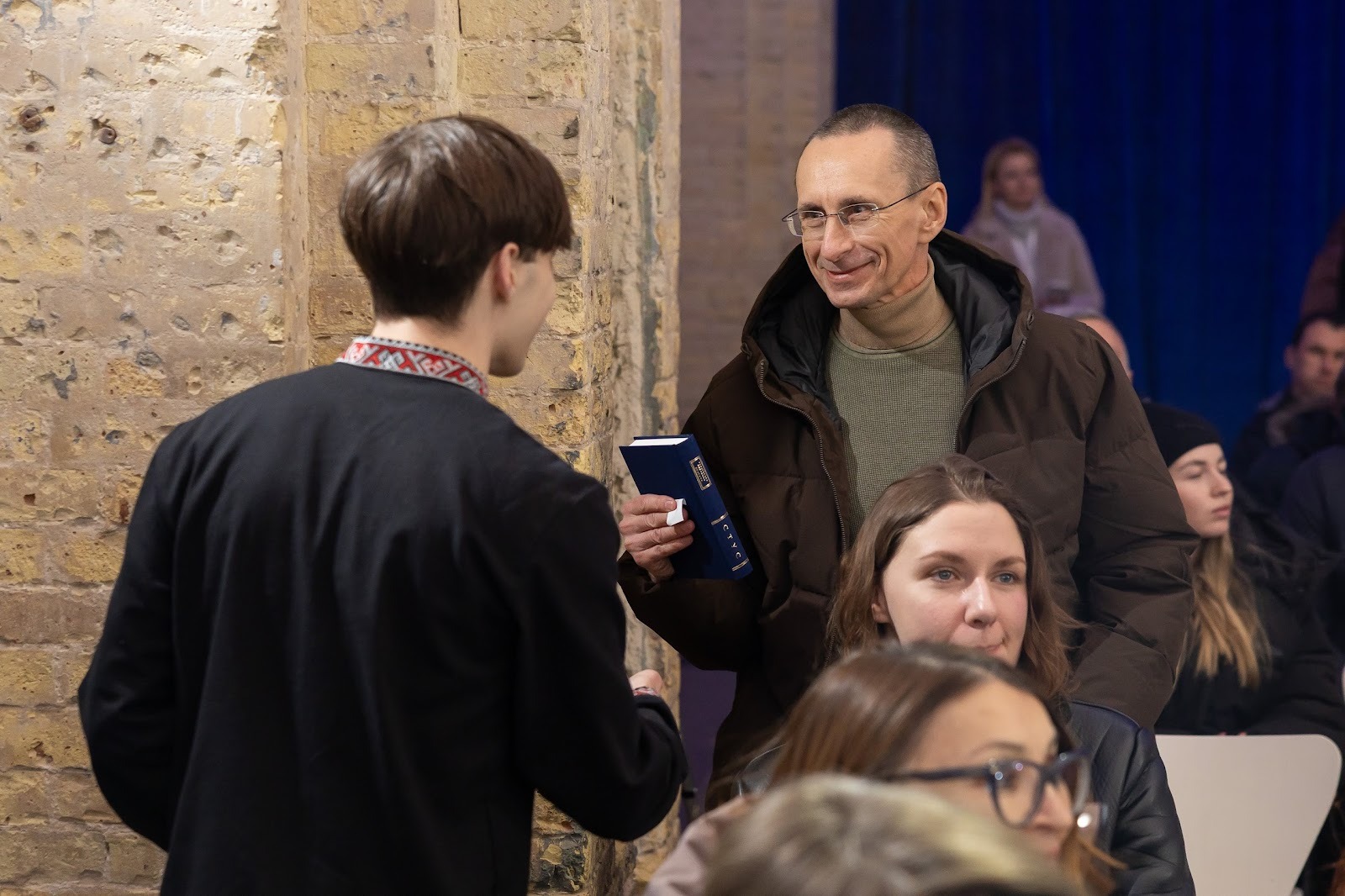
The culmination of the event was the Edem Bekirov Gratitude Evening – a space for public recognition, appreciation, and solidarity with those who work every day to secure the return and support of Ukrainian civilians who have been illegally deprived of their liberty. The evening was dedicated to the memory of Edem Bekirov, a former Kremlin political prisoner who was released in 2019 as part of a prisoner exchange and passed away in 2025 due to serious health complications caused by his time in Russian torture facilities.
For Edem Bekirov, gratitude was a way of being – both in captivity and after his release. His name has therefore become a symbol of an annual memorial expression of thanks, reminding us of the crucial role of humanity and mutual support in human rights work.
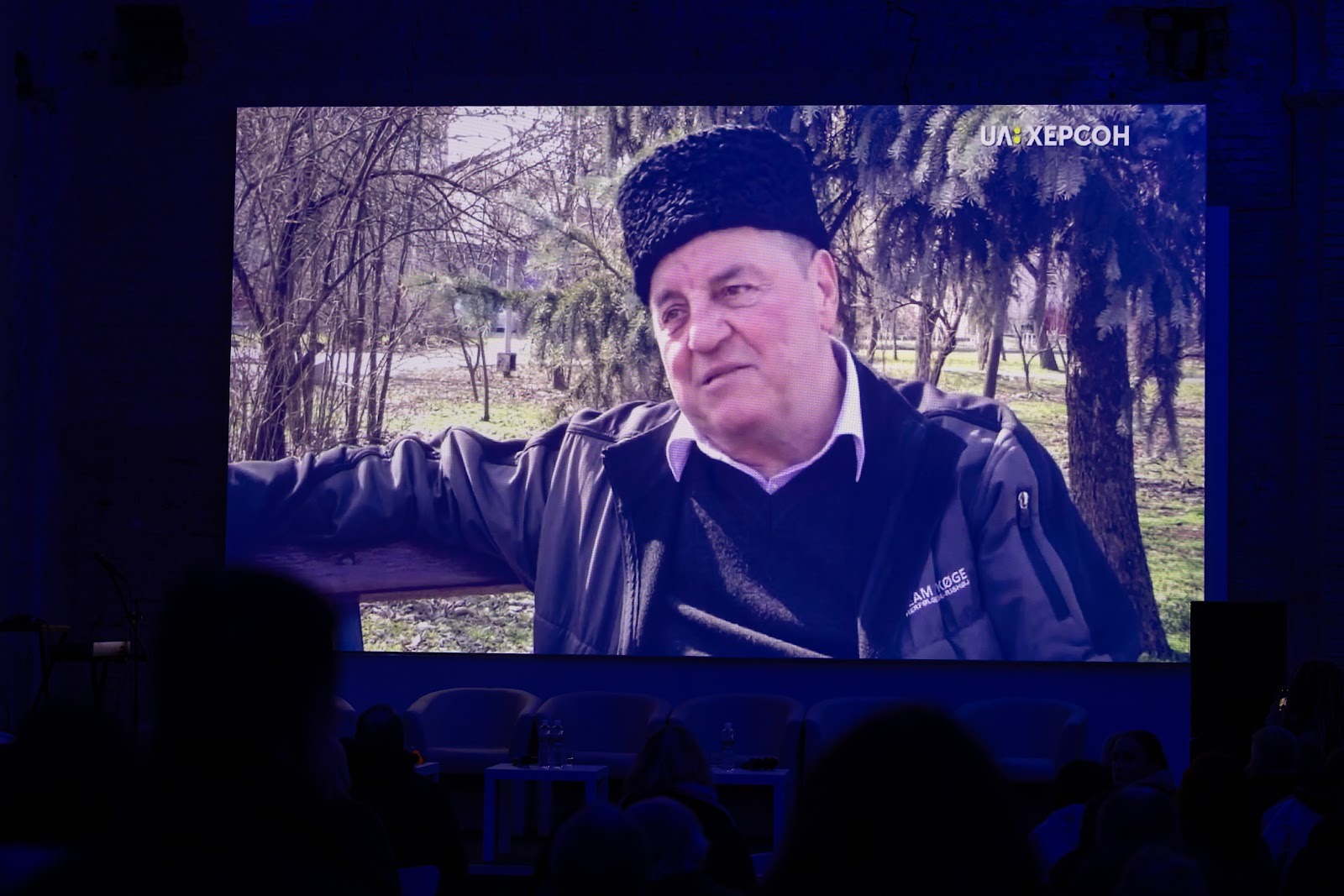
The memorial distinction was initiated by the Committee of Kremlin Civilian Captives. An important symbolic element was that the expressions of gratitude were presented by former political prisoners and members of their families – people who had personally endured illegal detention or had spent years fighting for the release of their loved ones.
The honor of presenting the first award in the category “The Strength of Civil Society” was given to Nadzhie Bekirova, the daughter of Edem Bekirov. The distinction was awarded to the NGO “SICH” and its head Yuliia Polekhina for leadership in documenting war crimes and defending the rights of victims. In the category “Partnership Without Borders” the award was presented to the International Commission on Missing Persons for its support to families searching for the missing and working to free those illegally detained. The award was presented by Yurii Shapovalov, a neurophysiologist who was released from illegal detention in 2025.
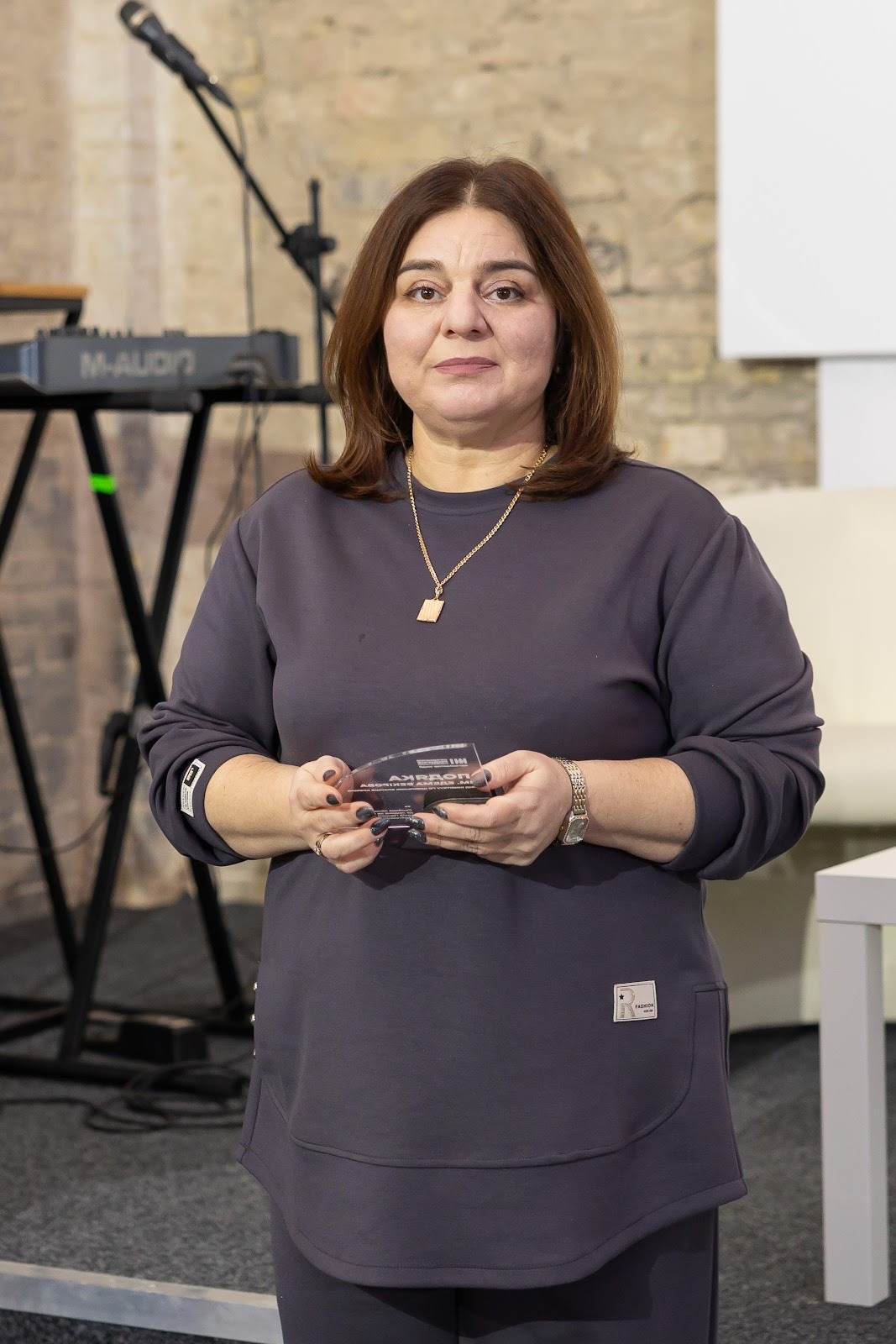
In the category “The One Who Makes It Possible,” the Andreev Family Foundation was honored for its resource and programmatic support, in particular for the ASSISTO project for survivors of torture and sexual violence. The award was presented by Liudmyla Shumkova, a former illegally detained civilian and the aunt of Kremlin political prisoner and civic activist Oleksandr Shumkov.
The Coordination Headquarters for the Treatment of Prisoners of War was recognized in the category “Partnership for Justice” for securing the return of a record number of civilians from illegal detention in 2025. The award was presented by Petro Vyhivskyi, the father of illegally detained political prisoner Valentyn Vyhivskyi.
The final category, “The Voice of Change,” honored Azat Azatian, a former political prisoner and founder of a rehabilitation center for released civilians in Zaporizhzhia. The award was presented by Ivan Samoidiuk, a former illegally detained civilian and First Deputy Mayor of Enerhodar.
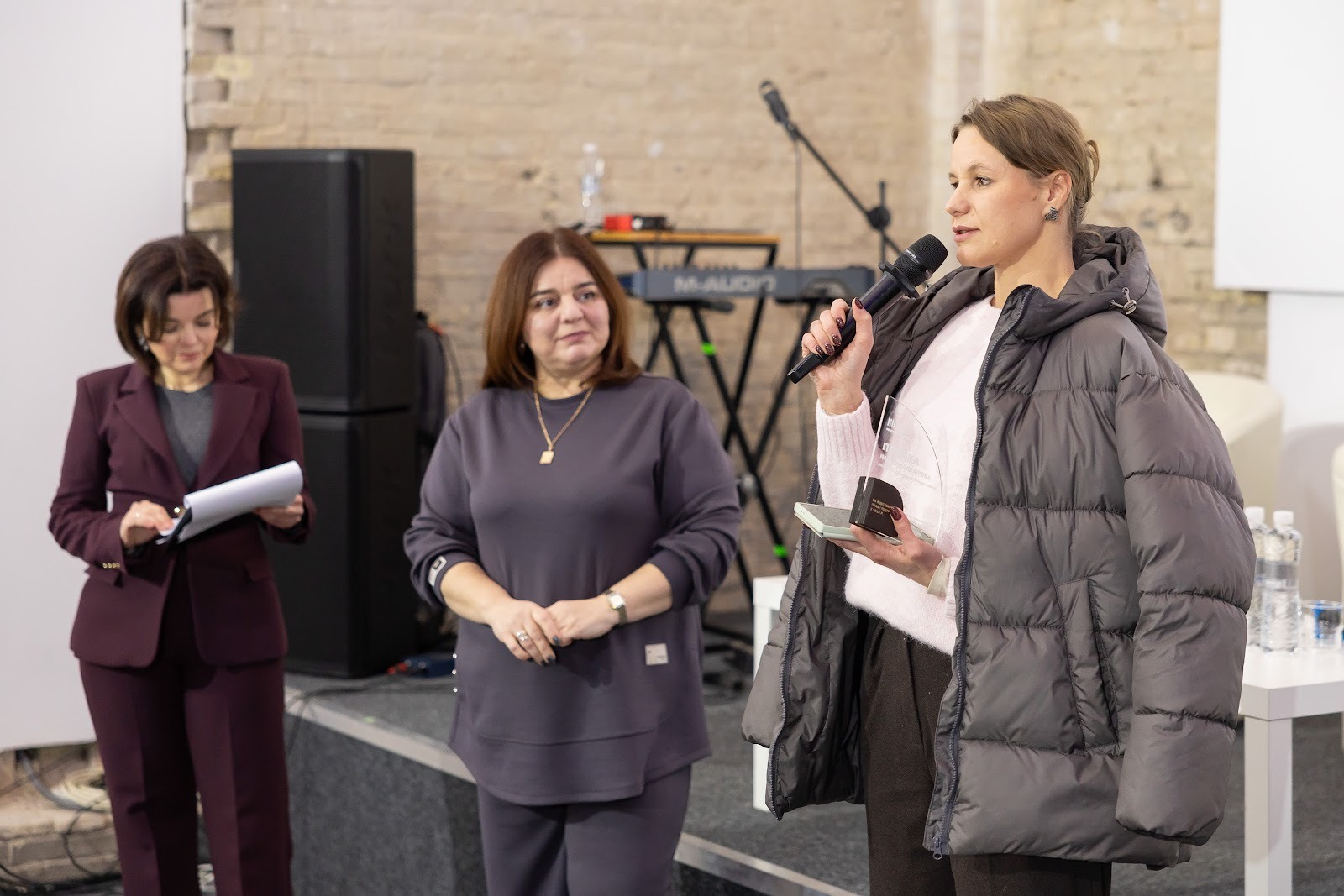
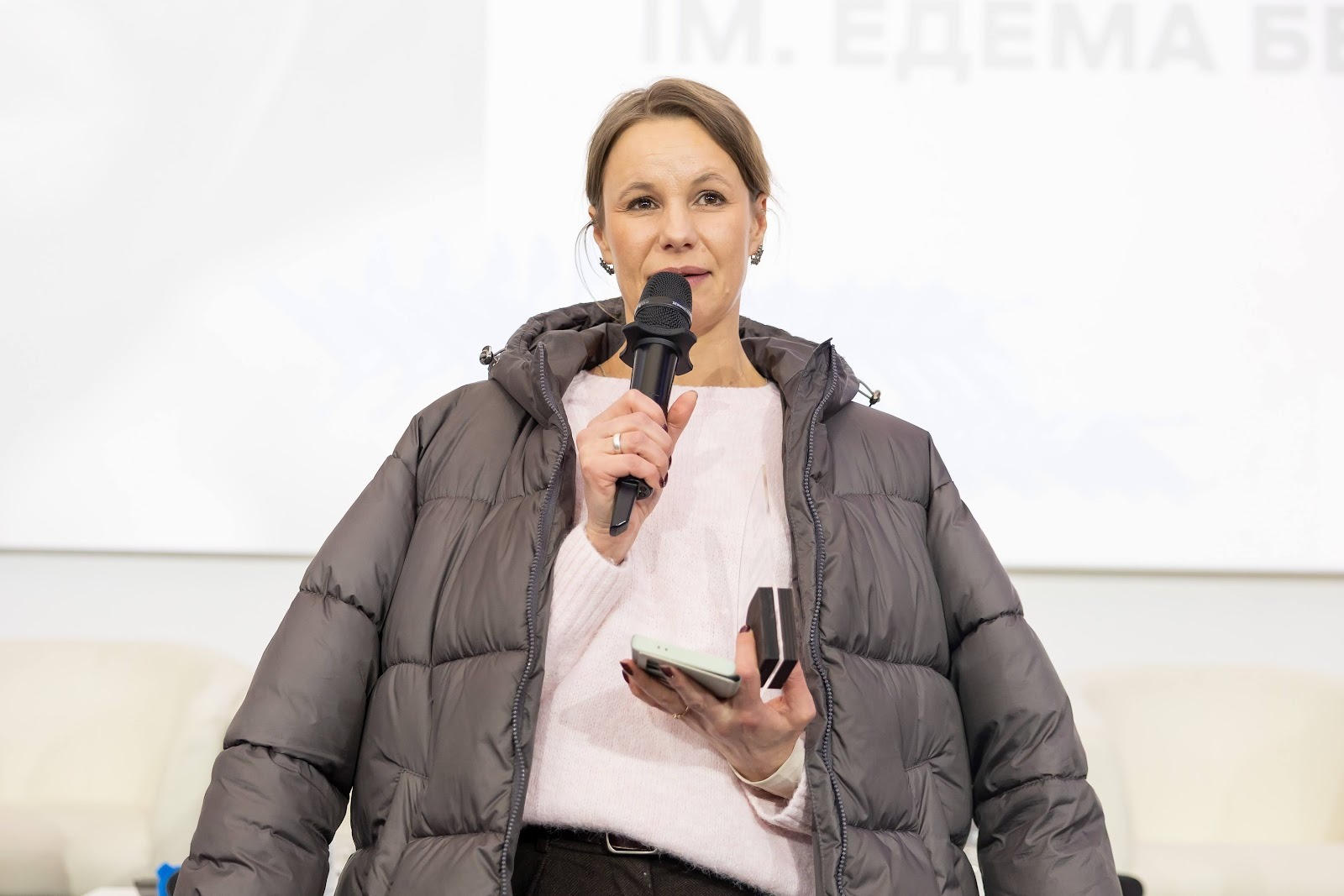
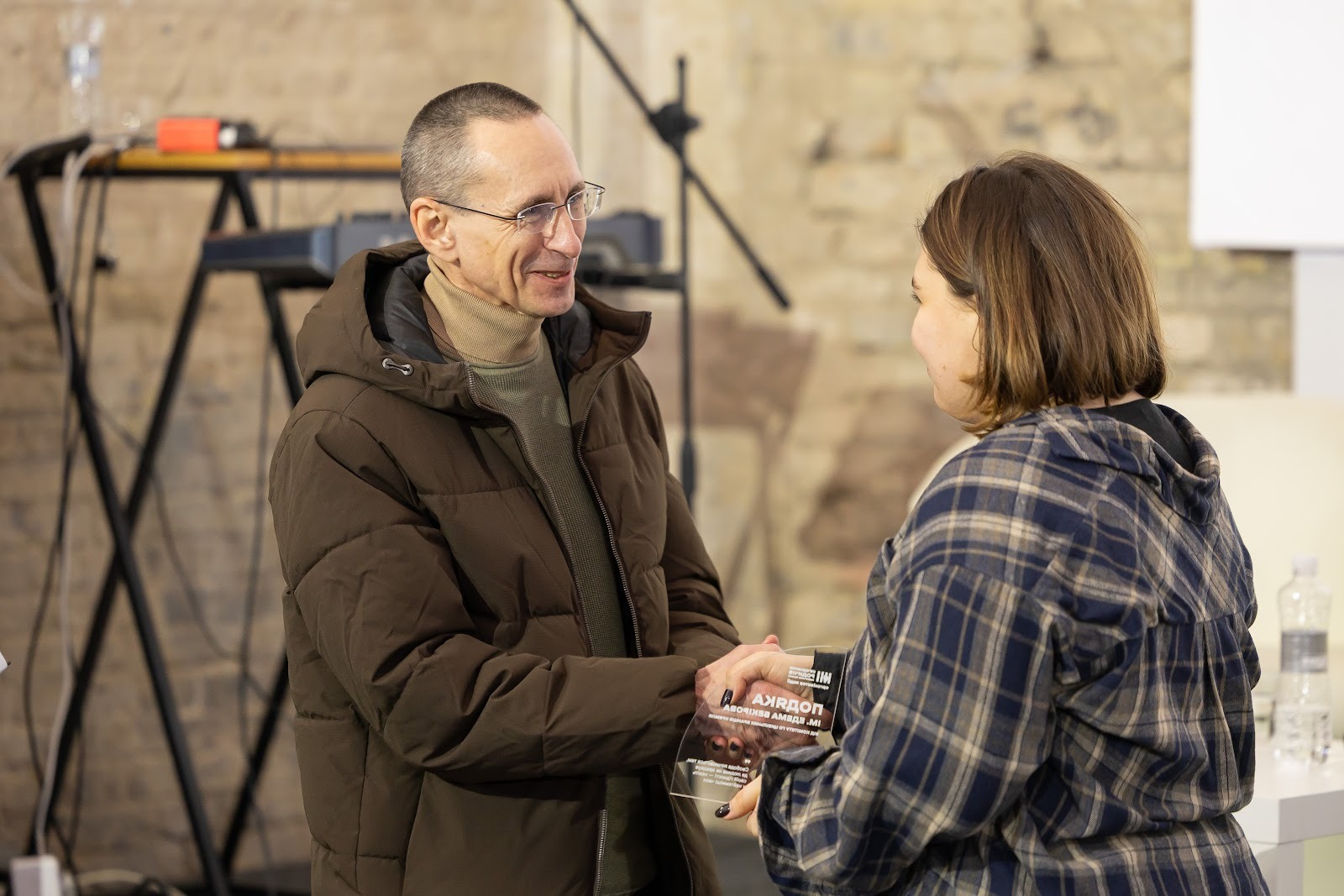
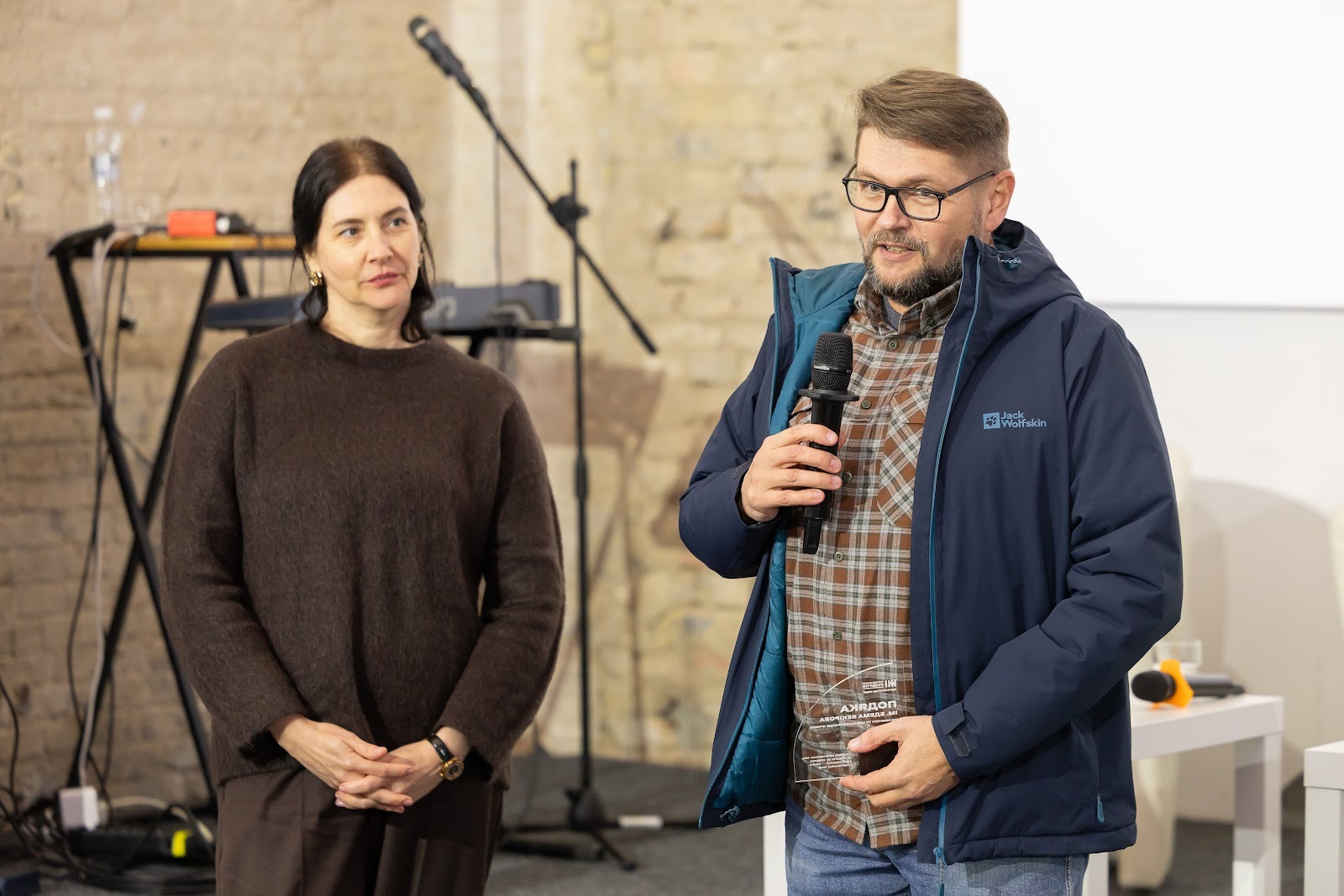
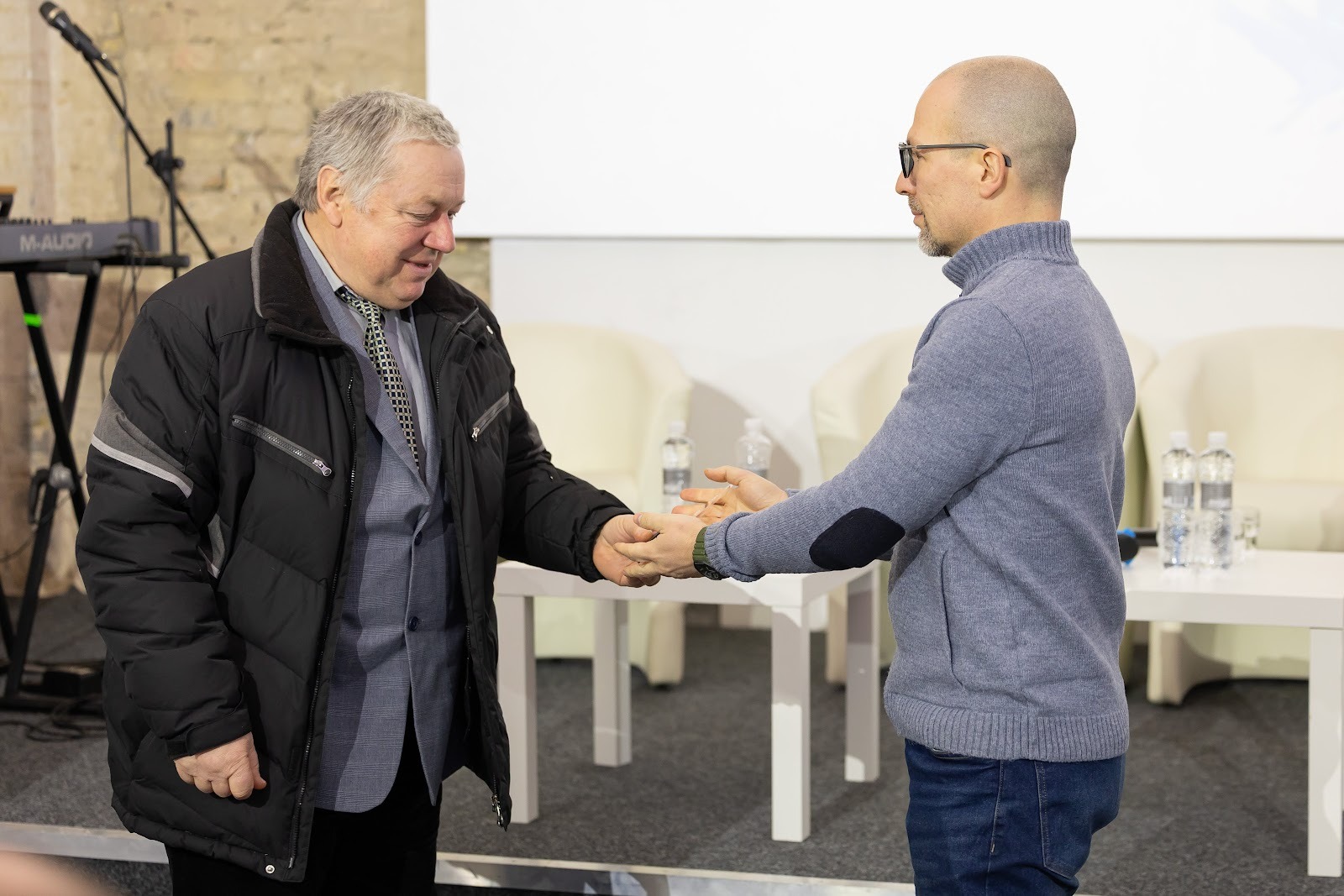
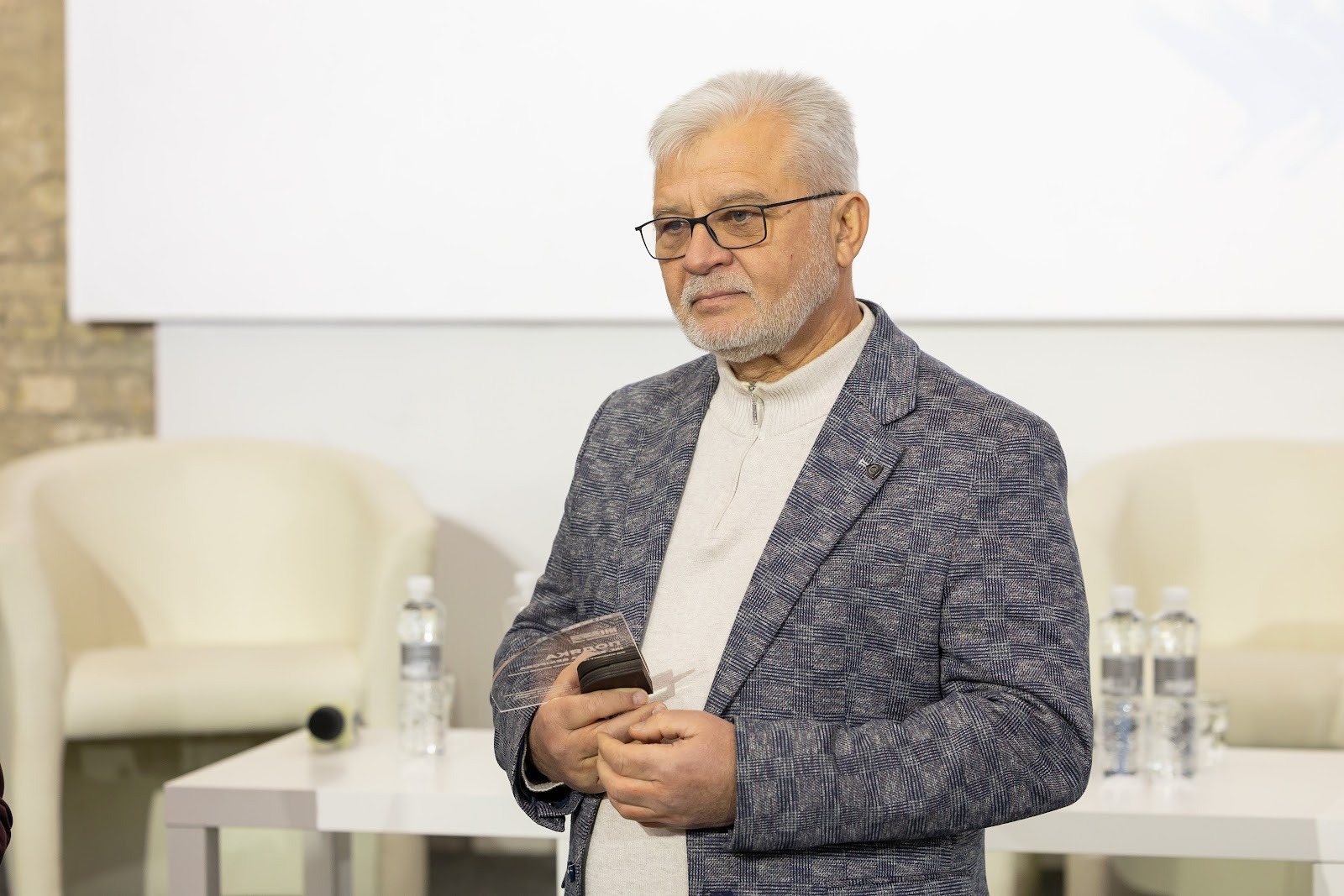
The Gratitude Evening became a public gesture of mutual recognition – when words of thanks are spoken by those who have themselves endured captivity or the struggle for the freedom of loved ones, and therefore carry particular weight.
The event concluded with a performance by Viktoriia Leleka (LELÉKA) – a Ukrainian singer, film composer, arranger, and a finalist of the National Selection for Eurovision 2026. Her music became an important part of the evening, supporting those present and helping to create a sense of unity and warmth for the families of political prisoners, those who have been released, human rights defenders, and civic activists – even amid the cold and darkness that Russia once again brought to Kyiv that day. The organizers thanked Viktoriia Leleka for her solidarity and wished her success in the National Selection for Eurovision–2026.
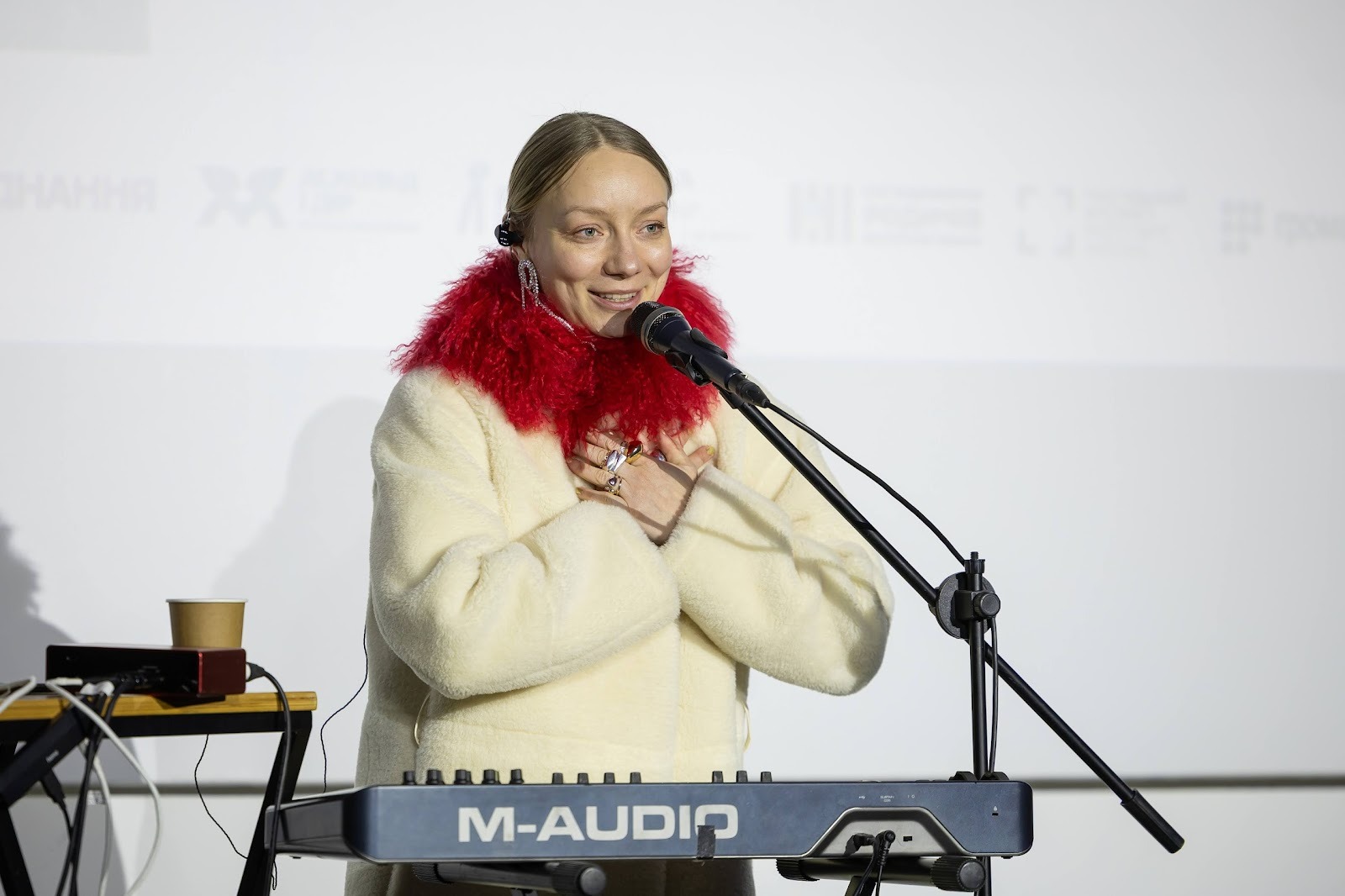
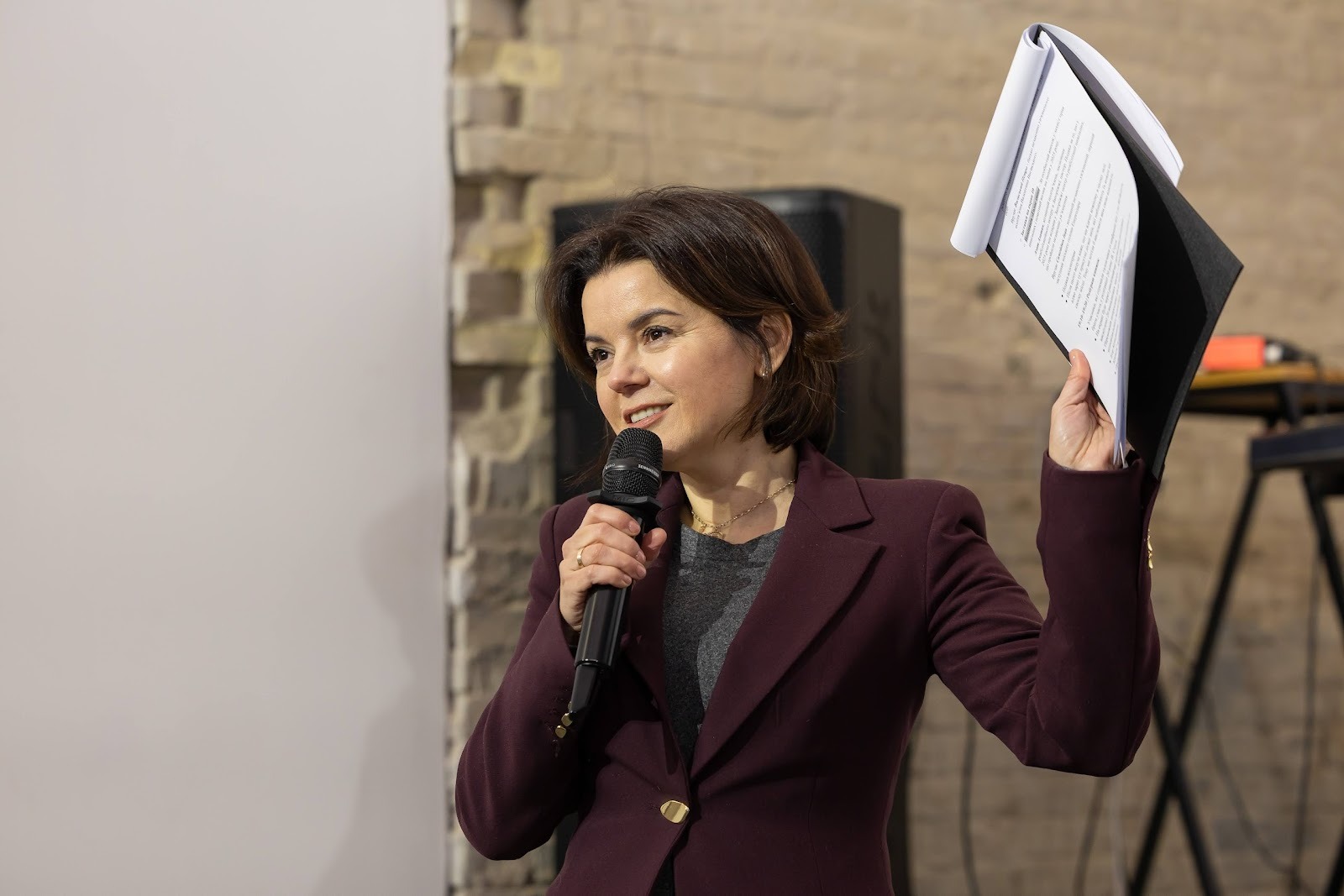
The event was hosted by television presenter Marichka Padalko. Her professional engagement significantly enhanced the depth and importance of the event, for which the organizing team is especially grateful.
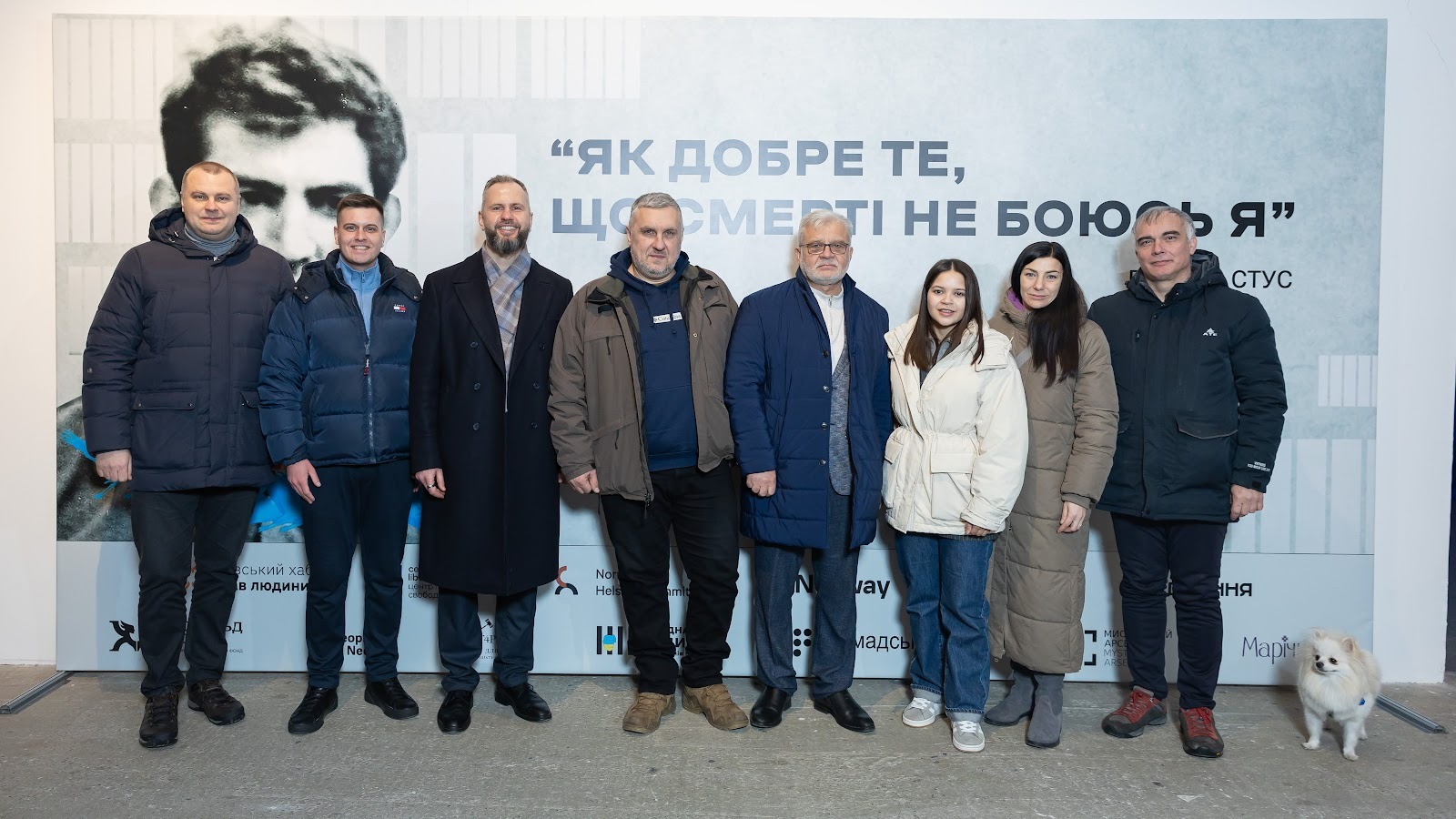
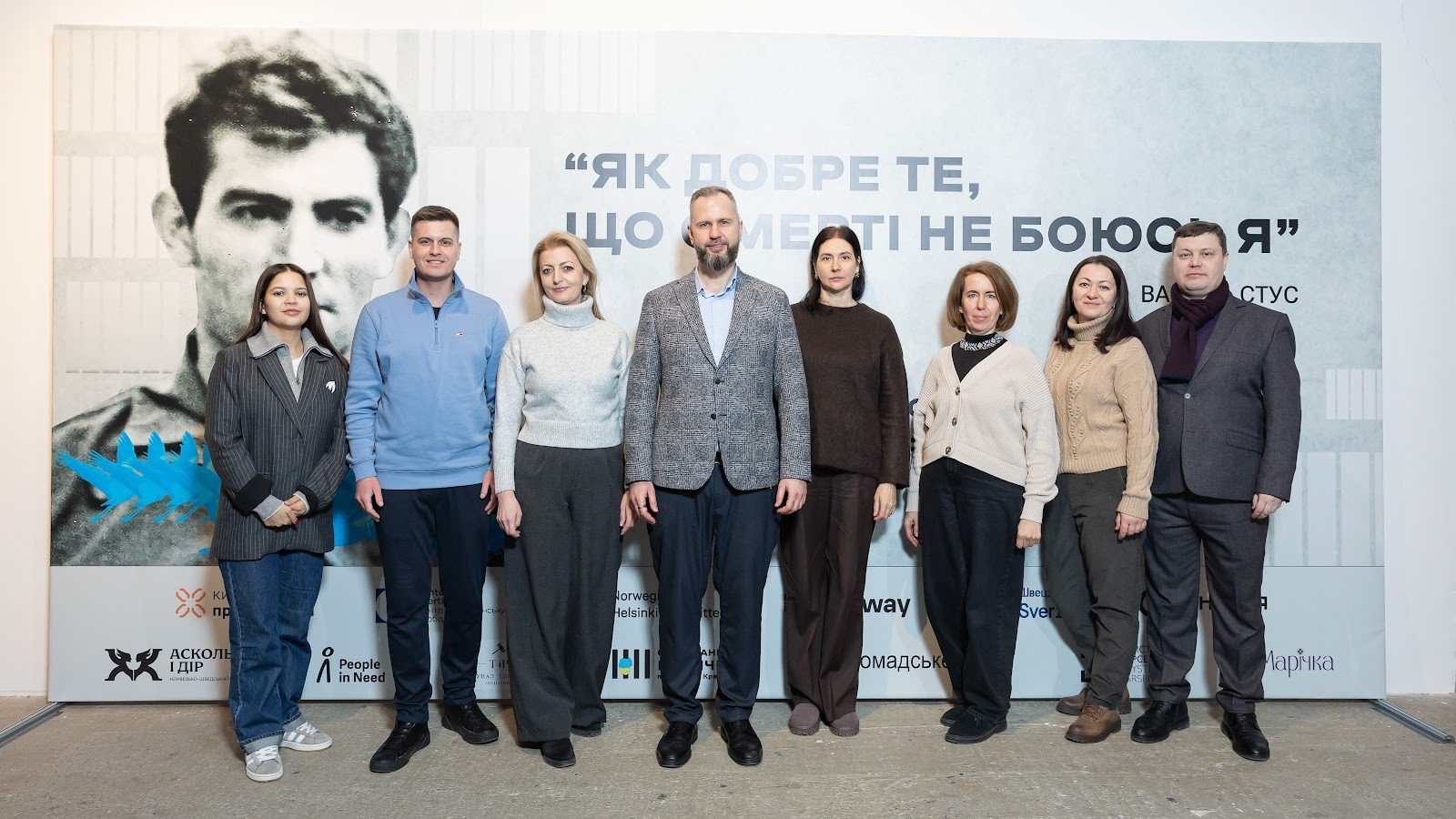
For the team of the “Association of Relatives of Kremlin Political Prisoners,” the event “The Day of the Ukrainian Political Prisoner: Memory and Action” became a new challenge that was made possible through the coordinated work of the Association’s team and the support of our friends and partners.
The event was organized by the NGO “Association of Relatives of Kremlin Political Prisoners” within the small grants competition “Capable of Influencing,” implemented by the Kyiv Human Rights Hub in cooperation with the Center for Civil Liberties and the Norwegian Helsinki Committee, with the support of the Government of Norway.
The event was also carried out by the NGO “Association of Relatives of Kremlin Political Prisoners” with the support of the Askold and Dir Foundation, administered by ISAR Ednannia, within the project “Strong Civil Society of Ukraine – A Driver of Reforms and Democracy,” funded by Norway and Sweden.